When embarking on a woodworking project, one of the first things you should consider is the direction of the wood grain. Wood grain direction refers to the orientation of the fibers in the wood, which can significantly influence both the aesthetics and functionality of your finished piece. Whether you’re crafting a simple shelf or an intricate piece of furniture, understanding wood grain direction is essential for achieving the best results.
This article will guide you through the nuances of wood grain direction, helping you to harness its potential in your woodworking endeavors. Many novice woodworkers overlook this critical aspect, often leading to frustrating outcomes. Have you ever noticed that your cuts seem uneven or that your finish doesn’t look quite right?
The culprit may very well be the wood grain direction. By taking the time to understand and work with the grain, you can elevate your projects from mediocre to magnificent. Let’s dive deeper into why wood grain direction matters and how you can master it.
Key Takeaways
- Wood grain direction refers to the alignment of wood fibers in a piece of wood, which can greatly impact the outcome of woodworking projects.
- Understanding wood grain direction is important as it affects the strength, stability, and appearance of the finished project.
- Identifying wood grain direction involves observing the patterns and lines on the surface of the wood, as well as considering the growth rings and texture.
- Wood grain direction significantly impacts woodworking, influencing how the wood cuts, sands, and finishes, as well as how it responds to moisture and temperature changes.
- Choosing the right wood grain direction for different projects is crucial for achieving the desired look, strength, and stability.
Understanding the Importance of Wood Grain Direction
The importance of wood grain direction cannot be overstated.
Wood fibers run in specific directions, and when you cut or shape wood, you must align your tools and techniques with these fibers to achieve optimal results.
Cutting against the grain can lead to splintering, tearing, and an overall rough finish, while cutting with the grain allows for smoother cuts and cleaner edges. Moreover, wood grain direction plays a crucial role in how wood reacts to environmental changes. Wood is a natural material that expands and contracts with changes in humidity and temperature.
Understanding how grain direction influences this movement can help you design projects that are more stable and less prone to warping or cracking over time. By respecting the natural tendencies of the wood, you can create pieces that not only look great but also stand the test of time.
How to Identify Wood Grain Direction
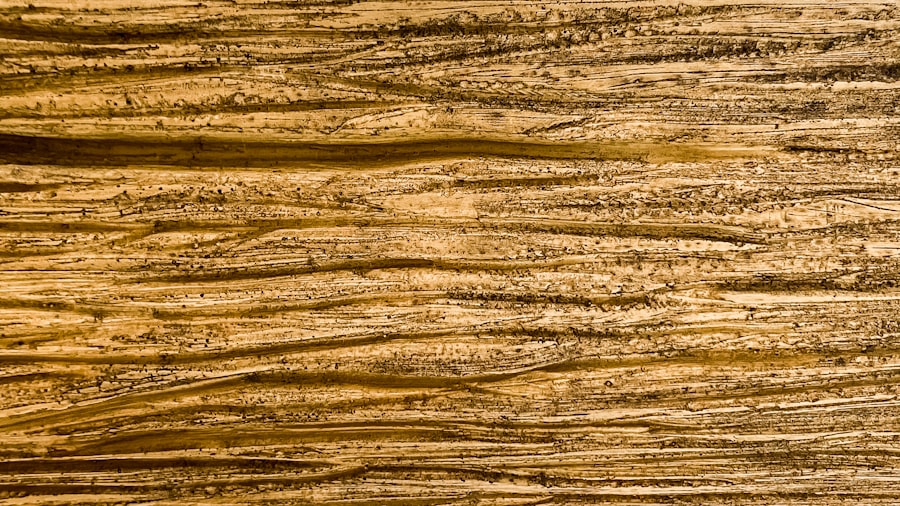
Identifying wood grain direction is a skill that every woodworker should develop. The first step is to observe the surface of the wood closely. You’ll notice that the grain appears as lines or patterns running along the length of the board.
These lines indicate the direction of the fibers. Generally, if you run your hand along the grain, it will feel smooth; if you go against it, you’ll feel a rough texture. Another effective method for determining grain direction is to look at the end grain of the board.
The end grain reveals how the fibers are oriented and can provide insight into how the wood will behave when cut or shaped. Additionally, if you’re working with a piece that has been planed or sanded, you may need to use a magnifying glass to get a clearer view of the grain structure. Once you’ve identified the grain direction, make sure to mark it on your board to avoid confusion later on.
The Impact of Wood Grain Direction on Woodworking
The impact of wood grain direction on woodworking is profound and multifaceted. For starters, it affects how tools interact with the wood. When using hand tools like chisels or planes, cutting with the grain allows for cleaner cuts and reduces the risk of tear-out.
Conversely, if you cut against the grain, you may find yourself battling splinters and rough edges that require additional sanding or finishing work. In addition to tool interaction, wood grain direction influences how finishes adhere to the surface. Stains and sealants tend to absorb differently depending on whether they are applied along or against the grain.
For instance, applying a stain with the grain can enhance its natural beauty by allowing it to penetrate evenly, while applying it against the grain may result in blotchiness or uneven coloration. Understanding these dynamics will help you achieve a more polished and professional look in your projects.
Choosing the Right Wood Grain Direction for Different Projects
Choosing the right wood grain direction for your projects is essential for both functionality and aesthetics. For example, when constructing furniture pieces like tables or chairs, aligning your cuts with the grain can enhance strength and stability. This is particularly important for load-bearing components where structural integrity is paramount.
On the other hand, if you’re creating decorative items such as picture frames or small crafts, you might choose to highlight interesting grain patterns by cutting across them. This can create unique visual effects that draw attention to the natural beauty of the wood. Ultimately, your choice should be guided by both the intended use of the piece and your personal design preferences.
Tips for Working with Different Wood Grain Directions
Working with different wood grain directions requires a thoughtful approach and some practical techniques. First and foremost, always ensure that your tools are sharp. Dull blades can tear fibers rather than cut them cleanly, leading to unsatisfactory results regardless of grain direction.
Regularly honing your tools will make a significant difference in how they perform. Additionally, consider using different sanding techniques based on grain direction. When sanding with the grain, use long strokes that follow the fiber pattern; this will help achieve a smooth finish without damaging the surface.
If you need to sand across the grain for any reason—such as removing imperfections—be sure to follow up with sanding along the grain to restore a uniform texture.
Common Mistakes to Avoid When Dealing with Wood Grain Direction
One common mistake many woodworkers make is failing to pay attention to grain direction during layout and cutting. It’s easy to get caught up in measuring and marking without considering how those cuts will interact with the wood fibers. Always take a moment to visualize how each cut will affect both strength and appearance before proceeding.
Another frequent error is neglecting to test finishes on scrap pieces before applying them to your project. Different woods react uniquely to stains and sealants based on their grain structure. By testing on similar scrap wood first, you can avoid unpleasant surprises and ensure that your final piece looks exactly as you envisioned.
How Wood Grain Direction Affects the Appearance of Finished Projects
The appearance of finished projects is heavily influenced by wood grain direction. When you apply a finish—be it oil, varnish, or lacquer—the way it interacts with the wood fibers can either enhance or detract from its natural beauty. Finishing along the grain typically results in a more uniform appearance, allowing colors and patterns to shine through without distortion.
Conversely, applying finishes against the grain can lead to unsightly streaks or blotches that mar an otherwise beautiful piece. To achieve a professional look, always follow up with light sanding between coats in the same direction as the grain. This not only smooths out any imperfections but also helps create a more cohesive finish that highlights the unique characteristics of your chosen wood.
The Role of Wood Grain Direction in Wood Movement and Stability
Wood is a living material that responds dynamically to changes in its environment, particularly humidity and temperature fluctuations. The role of wood grain direction in this movement is crucial for ensuring stability in your projects. Wood tends to expand and contract across its width rather than along its length; therefore, understanding how grain direction affects this behavior can help you design pieces that remain stable over time.
For instance, when constructing tabletops or large panels, it’s advisable to orient boards so that their width runs perpendicular to any potential expansion direction. This minimizes warping and ensures that your piece maintains its shape even as environmental conditions change.
Exploring Different Techniques for Emphasizing Wood Grain Direction
Emphasizing wood grain direction can add depth and character to your projects. One effective technique is using contrasting stains or finishes that highlight different aspects of the grain pattern. For example, applying a darker stain along the edges while keeping the center lighter can create a striking visual effect that draws attention to the natural beauty of the wood.
Another technique involves using specific joinery methods that showcase grain patterns more prominently. For instance, miter joints can create seamless transitions between pieces while allowing you to play with different orientations of grain direction for added visual interest. Experimenting with these techniques can lead to unique designs that truly celebrate the beauty of wood.
Embracing and Utilizing Wood Grain Direction in Woodworking
In conclusion, embracing and utilizing wood grain direction is fundamental for any woodworking enthusiast looking to improve their craft. By understanding its importance, learning how to identify it, and applying this knowledge effectively in your projects, you can achieve stunning results that reflect both skill and artistry. Remember that every piece of wood has its own story told through its grains; by respecting this narrative, you not only enhance your work but also honor the material itself.
As you continue on your woodworking journey, keep experimenting with different techniques and approaches related to wood grain direction. Each project offers an opportunity for growth and learning—so don’t shy away from making mistakes along the way! With practice and patience, you’ll find yourself creating beautiful pieces that showcase not just your craftsmanship but also the inherent beauty of nature’s materials.
If you’re interested in learning more about wood grain direction and its importance in woodworking, be sure to check out the article “Understanding Wood Grain: How to Choose the Right Direction for Your Project” on Woodworker’s Haven. This informative piece delves into the various factors to consider when working with different types of wood and how to achieve the best results in your projects.
FAQs
What is wood grain direction?
Wood grain direction refers to the alignment of the wood fibers in a piece of wood. It can affect the strength, appearance, and workability of the wood.
Why does wood grain direction matter?
Wood grain direction matters because it can affect how the wood behaves when it is cut, shaped, or joined. It can also impact the overall appearance and stability of the wood.
How can I determine the grain direction of wood?
You can determine the grain direction of wood by closely examining the lines and patterns in the wood. The direction of the lines will indicate the direction of the wood grain.
What are the differences between long grain and end grain?
Long grain refers to the wood fibers running parallel to the length of the board, while end grain refers to the wood fibers running perpendicular to the length of the board. Long grain is generally stronger and more stable, while end grain is more porous and can be more prone to splitting.
How does wood grain direction affect woodworking projects?
Wood grain direction can affect how the wood responds to cutting, planing, and sanding. It can also impact the strength and stability of joints and the overall appearance of the finished project.
What are some tips for working with different wood grain directions?
When working with long grain, it is important to consider the direction of the grain when planning cuts and joinery. When working with end grain, it is important to take extra care to prevent splitting and to use appropriate adhesives for bonding.