Every woodworker, whether a novice or a seasoned craftsman, knows that the right tools can make all the difference in the quality of their work. Essential hand tools are the backbone of woodworking, allowing you to transform raw materials into beautiful, functional pieces. These tools not only enhance your efficiency but also empower you to express your creativity.
In this article, we will explore the various categories of hand tools that every woodworker should have in their arsenal, from measuring and marking tools to finishing tools, ensuring you have a comprehensive understanding of what you need to succeed. As you embark on your woodworking journey, it’s crucial to recognize that each tool serves a specific purpose. Understanding these purposes will help you choose the right tool for the job and improve your overall craftsmanship.
Whether you’re cutting, shaping, or finishing wood, having the right hand tools at your disposal will enable you to work with precision and confidence. Let’s dive into the essential hand tools that will elevate your woodworking projects.
Key Takeaways
- Essential hand tools are crucial for any woodworking project, and having the right tools can make the job easier and more efficient.
- Measuring and marking tools such as tape measures, squares, and marking gauges are essential for ensuring accurate and precise cuts and joints.
- Cutting tools like saws, chisels, and knives are used to remove material from wood and create the desired shapes and sizes.
- Shaping and smoothing tools such as planes, rasps, and files are used to refine and smooth the surfaces of wood.
- Joinery tools like routers, doweling jigs, and biscuit joiners are used to create strong and precise joints in woodworking projects.
Measuring and Marking Tools
Accurate measurements are the foundation of any successful woodworking project. Without precise measurements, even the most skilled woodworker can find themselves in a world of frustration. Measuring and marking tools are essential for ensuring that your cuts are accurate and your joints fit together seamlessly.
A reliable tape measure is a must-have; it allows you to measure lengths quickly and easily. Look for one with clear markings and a sturdy case to withstand the rigors of the workshop. In addition to a tape measure, a combination square is invaluable for marking right angles and checking the squareness of your cuts.
This tool can also be used to measure depths and mark lines parallel to edges. Another essential tool is a marking gauge, which helps you create precise lines for cutting or shaping wood. By using these measuring and marking tools effectively, you can set yourself up for success in every project.
Cutting Tools
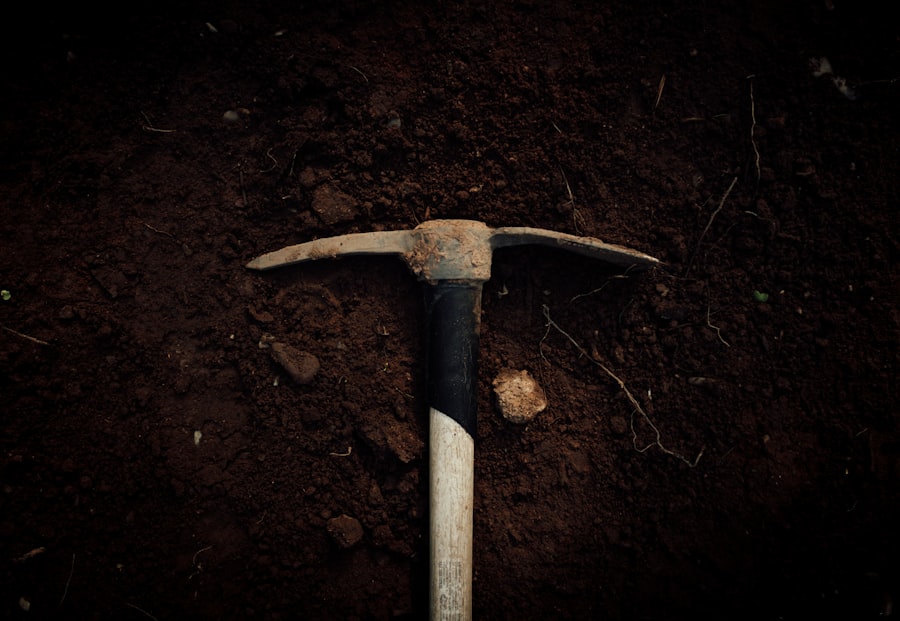
Once you have your measurements in place, it’s time to cut the wood. Cutting tools come in various shapes and sizes, each designed for specific tasks. A handsaw is one of the most fundamental cutting tools in woodworking.
It allows for straight cuts and can be used for both crosscutting and ripping wood. When selecting a handsaw, consider the tooth count; finer teeth are better for smoother cuts, while coarser teeth are ideal for faster cuts. For more intricate work, a coping saw is an excellent choice.
This tool is perfect for making curved cuts and intricate designs. If you’re looking to make quick work of larger pieces, a hand-held circular saw can save you time while providing clean cuts. Remember that the key to effective cutting lies not just in the tool itself but also in your technique.
Practice makes perfect, so don’t hesitate to experiment with different saws to find what works best for you.
Shaping and Smoothing Tools
After cutting your wood to size, the next step is shaping and smoothing it to achieve the desired finish. Chisels are among the most versatile shaping tools available. They come in various sizes and shapes, allowing you to carve out joints, create decorative edges, or remove excess material with precision.
When using chisels, ensure they are sharp; a dull chisel can lead to frustration and poor results. Another essential tool for shaping is a hand plane. This tool allows you to shave thin layers off the surface of the wood, resulting in a smooth finish.
There are different types of planes for various tasks, such as block planes for end grain and smoothing planes for general use. Learning how to use these tools effectively will significantly enhance your woodworking skills and help you achieve professional-quality results.
Joinery Tools
Joinery is a critical aspect of woodworking that involves connecting pieces of wood together securely. The right joinery tools can make this process easier and more efficient. One of the most common joinery tools is the doweling jig, which helps you create precise holes for dowels that will connect two pieces of wood.
This method is not only strong but also allows for hidden joints that maintain the aesthetic appeal of your project. Another popular joinery method is using mortise and tenon joints, which require a mortising chisel or a dedicated mortiser tool. These joints are known for their strength and durability, making them ideal for furniture construction.
As you explore different joinery techniques, remember that practice is key; take the time to experiment with various methods to find what works best for your projects.
Holding and Clamping Tools
When working with wood, having a secure hold on your materials is essential for both safety and accuracy. Holding and clamping tools come into play here, providing stability while you cut, shape, or assemble your projects. Clamps are indispensable in any workshop; they come in various styles such as bar clamps, pipe clamps, and C-clamps, each serving different purposes.
Bar clamps are particularly useful for holding large panels together during glue-ups, while C-clamps are great for securing smaller pieces or holding materials in place while you work on them. Additionally, consider investing in a workbench with built-in vises; these can provide extra support when working on larger projects. By utilizing these holding and clamping tools effectively, you can ensure that your workpieces remain stable throughout the entire woodworking process.
Drilling and Boring Tools
Drilling holes is often necessary in woodworking, whether for joinery or creating decorative elements.
While electric drills are popular for their speed and efficiency, having a manual hand drill can be beneficial for more delicate tasks where control is paramount.
For larger holes or specific applications like doweling or mortising, consider using a brace and bit or a spade bit set. These tools allow you to bore larger holes with ease and accuracy. When drilling, always ensure that your workpiece is securely held in place to prevent any accidents or misalignments.
With practice, you’ll become adept at using these drilling tools to enhance your woodworking projects.
Finishing Tools
Once your project is assembled and shaped to perfection, it’s time to focus on finishing touches that will elevate its appearance. Finishing tools include sanders, scrapers, and brushes that help achieve a smooth surface ready for staining or painting. A block sander or an orbital sander can save you time while providing an even finish across larger surfaces.
Scrapers are another valuable finishing tool; they allow you to remove imperfections without altering the shape of your workpiece significantly. After sanding or scraping, applying a finish such as varnish or oil will protect your wood while enhancing its natural beauty. Take your time during this stage; a well-finished piece can make all the difference in showcasing your craftsmanship.
Safety Equipment
Safety should always be a top priority when working with hand tools in woodworking. Investing in proper safety equipment can prevent accidents and injuries in the workshop. Start with safety glasses to protect your eyes from dust and debris while cutting or sanding wood.
Hearing protection is also essential when using power tools or working in noisy environments. Additionally, consider wearing gloves when handling rough materials or sharp tools; however, be cautious not to wear loose-fitting gloves around moving parts that could catch them. A dust mask is also advisable when sanding or working with materials that produce fine particles.
By prioritizing safety equipment, you create a safer working environment that allows you to focus on honing your skills without unnecessary risks.
Tool Maintenance and Storage
Proper maintenance of your hand tools is crucial for ensuring their longevity and performance. Regularly clean your tools after use to remove sawdust and debris that can cause rust or damage over time. For metal tools like chisels and saw blades, consider applying a light coat of oil to prevent corrosion.
Storage is equally important; keep your tools organized in a dedicated space where they are easily accessible yet protected from damage. Toolboxes or wall-mounted pegboards can help keep everything in order while allowing you to see what you have at a glance. By taking care of your tools and storing them properly, you’ll ensure they remain reliable companions throughout your woodworking journey.
Conclusion and Additional Resources
In conclusion, mastering essential hand tools is fundamental to becoming a skilled woodworker.
As you continue to develop your skills, remember that practice is key; don’t hesitate to experiment with different techniques and tools.
For those looking to expand their knowledge further, consider exploring online resources such as woodworking forums, instructional videos, or local workshops where you can learn from experienced craftsmen. Books on woodworking techniques can also provide valuable insights into mastering specific skills or projects. With dedication and the right tools at your disposal, you’ll be well on your way to creating stunning pieces that reflect your unique style and craftsmanship.
If you’re a beginner woodworker looking to build your collection of essential hand tools, be sure to check out the article on Woodworkers Haven’s website. This comprehensive guide covers everything from measuring and marking tools to cutting and shaping tools that every woodworker should have in their workshop. With detailed explanations and recommendations, this article will help you get started on your woodworking journey. For more information, visit Woodworkers Haven.
FAQs
What are essential hand tools for beginner woodworkers?
Some essential hand tools for beginner woodworkers include a claw hammer, a tape measure, a combination square, a hand saw, a chisel set, a block plane, and a set of screwdrivers.
Why are these hand tools essential for beginner woodworkers?
These hand tools are essential for beginner woodworkers because they are versatile, easy to use, and can handle a wide range of woodworking tasks. They are also relatively affordable and can be used for various projects.
What is the purpose of a claw hammer in woodworking?
A claw hammer is used in woodworking for driving and removing nails, as well as for general construction tasks. It is an essential tool for assembling and disassembling wood pieces.
How is a combination square useful for beginner woodworkers?
A combination square is useful for beginner woodworkers because it can be used for measuring, marking, and checking for squareness and straightness in woodworking projects. It is a versatile and accurate tool for layout and marking.
What are the advantages of using a hand saw in woodworking?
A hand saw is advantageous for beginner woodworkers because it is portable, requires no power source, and can make precise cuts in wood. It is also relatively inexpensive and easy to maintain.
Why are chisels important for beginner woodworkers?
Chisels are important for beginner woodworkers because they are used for shaping, carving, and smoothing wood surfaces. They are essential for creating intricate details and joinery in woodworking projects.
How can a block plane benefit beginner woodworkers?
A block plane can benefit beginner woodworkers by smoothing and shaping wood surfaces, chamfering edges, and removing small amounts of material. It is a versatile and precise tool for refining and finishing woodworking projects.
What role do screwdrivers play in woodworking?
Screwdrivers are essential for woodworking because they are used for driving and removing screws in wood projects. They come in various sizes and types to accommodate different screw heads.