As winter approaches, many woodworkers find themselves grappling with the unique challenges that cold weather brings to their outdoor projects. The drop in temperature and increased moisture can have significant effects on wood, leading to warping, cracking, and other forms of damage. Wood is a natural material that responds to environmental changes, and winter can exacerbate these reactions.
For instance, when temperatures plummet, the moisture content in wood can decrease rapidly, causing it to shrink. Conversely, when the air is humid, wood can absorb moisture, leading to expansion. This constant cycle of contraction and expansion can weaken joints and compromise the integrity of your projects.
Moreover, the freezing temperatures can also affect the finishes and sealants applied to wood. Many finishes become less effective in cold weather, which can leave your projects vulnerable to the elements. Understanding these effects is crucial for any woodworker who wants to ensure their creations withstand the harshness of winter.
By recognizing how wood behaves in cold conditions, you can take proactive steps to protect your projects and maintain their beauty and functionality throughout the season.
Key Takeaways
- Understanding the Effects of Winter on Wood
- Winter can cause wood to shrink, crack, and warp due to changes in temperature and humidity.
- Choosing the Right Wood for Outdoor Projects
- Cedar, redwood, and pressure-treated pine are good choices for outdoor woodworking projects due to their natural resistance to decay and insects.
- Preparing Wood Surfaces for Winter
- Properly sanding and cleaning wood surfaces before winter can help prevent moisture from seeping in and causing damage.
- Applying Protective Finishes and Sealants
- Applying a weather-resistant finish or sealant can help protect outdoor woodworking projects from the harsh effects of winter.
- Protecting Outdoor Woodworking Tools from Winter Elements
- Storing tools in a dry, climate-controlled area and applying a rust-resistant coating can help protect them from winter damage.
- Storing Outdoor Woodworking Projects for Winter
- Storing projects in a dry, well-ventilated area off the ground can help prevent moisture damage during winter.
- Building Winter-Resistant Outdoor Woodworking Projects
- Using joinery techniques and weather-resistant materials can help create outdoor woodworking projects that can withstand winter conditions.
- Maintaining Outdoor Woodworking Projects During Winter
- Regularly inspecting and cleaning outdoor woodworking projects can help prevent winter damage from worsening.
- Repairing Winter Damage to Outdoor Woodworking Projects
- Repairing cracks, warping, and other winter damage promptly can help prevent further deterioration.
- Winterizing Outdoor Woodworking Projects in Different Climates
- Adapting winterization techniques based on the specific climate can help ensure the longevity of outdoor woodworking projects.
- Winter Safety Tips for Outdoor Woodworking Projects
- Wearing appropriate protective gear and using caution when working with tools in cold, icy conditions can help prevent accidents.
Choosing the Right Wood for Outdoor Projects
When embarking on outdoor woodworking projects, selecting the right type of wood is paramount. Not all woods are created equal, especially when it comes to enduring winter’s harsh conditions. Hardwoods like oak and teak are often favored for their durability and resistance to moisture.
These woods have a dense grain structure that helps them withstand the elements better than softer woods. On the other hand, softwoods like pine or cedar may be more susceptible to warping and decay if not properly treated. Therefore, understanding the properties of different types of wood can significantly influence the longevity of your outdoor projects.
In addition to durability, consider the wood’s natural resistance to pests and decay. For instance, cedar contains natural oils that repel insects and resist rot, making it an excellent choice for outdoor furniture or garden structures. If you’re unsure which wood to choose, consult with local suppliers or woodworking experts who can provide insights based on your specific climate and project needs.
Preparing Wood Surfaces for Winter
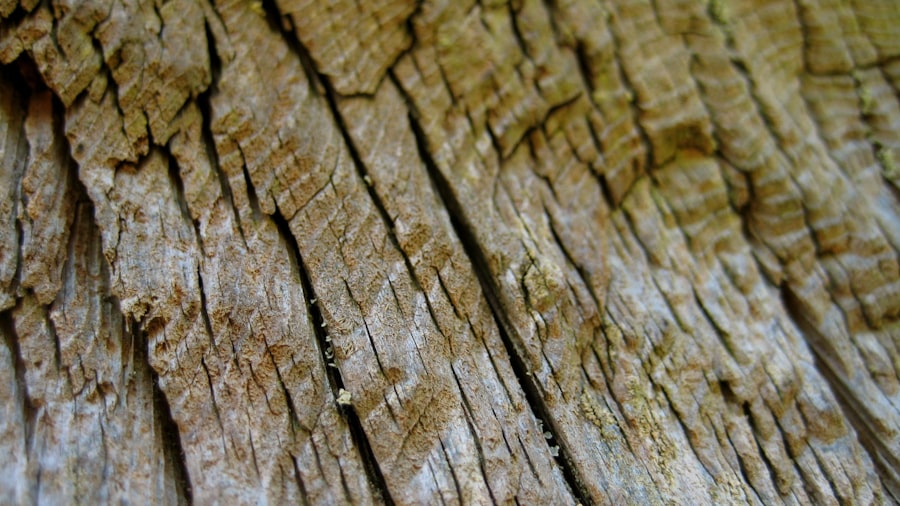
Before winter sets in, it’s essential to prepare your wood surfaces adequately. This preparation involves cleaning and treating the wood to ensure it can withstand the cold months ahead. Start by thoroughly cleaning your wooden surfaces to remove dirt, debris, and any old finishes that may have deteriorated over time.
A simple mixture of soap and water can do wonders for cleaning; just be sure to rinse well and allow the wood to dry completely before moving on to the next step. Once your wood is clean and dry, consider applying a wood conditioner or primer designed for outdoor use. This step is crucial as it helps seal the wood’s surface and provides a barrier against moisture infiltration.
Additionally, if you’re working with untreated wood, applying a protective treatment can enhance its resistance to rot and decay during winter. Taking these preparatory steps will not only extend the life of your projects but also ensure they remain visually appealing throughout the season.
Applying Protective Finishes and Sealants
Applying protective finishes and sealants is one of the most effective ways to safeguard your outdoor woodworking projects from winter’s harsh elements. A high-quality exterior finish acts as a barrier against moisture, UV rays, and temperature fluctuations. When selecting a finish, look for products specifically formulated for outdoor use; these are designed to withstand the rigors of changing weather conditions.
Oil-based finishes tend to penetrate deeper into the wood fibers, providing long-lasting protection, while water-based finishes dry quickly and are easier to clean up. Before applying any finish, ensure that your wood surface is clean and dry. Follow the manufacturer’s instructions for application, as different products may have varying requirements regarding temperature and humidity levels during application.
It’s often beneficial to apply multiple coats for added protection; just be sure to allow adequate drying time between each coat. By taking the time to apply a proper finish, you can significantly enhance your project’s durability and appearance throughout the winter months.
Protecting Outdoor Woodworking Tools from Winter Elements
Just as your woodworking projects need protection from winter’s elements, so do your tools. Cold temperatures and moisture can wreak havoc on tools if they are not stored or maintained properly. Start by cleaning your tools thoroughly before winter arrives; remove any sawdust, resin, or debris that may have accumulated during use.
Once clean, consider applying a light coat of oil to metal parts to prevent rusting—a common issue in damp winter conditions. Storing your tools in a dry, insulated space is also crucial for their longevity. If possible, bring them indoors or into a heated workshop during the cold months.
If indoor storage isn’t an option, invest in weatherproof toolboxes or covers that can shield them from snow and rain. By taking these precautions, you can ensure that your tools remain in excellent condition and ready for use when spring arrives.
Storing Outdoor Woodworking Projects for Winter
If you have completed outdoor woodworking projects that cannot withstand winter conditions, proper storage is essential. Begin by finding a sheltered location that is dry and protected from harsh winds and snow accumulation. Ideally, this space should be temperature-controlled to prevent extreme fluctuations that could damage your projects over time.
Before storing your projects, consider disassembling larger pieces if possible; this will make them easier to store and reduce the risk of damage during winter months. Additionally, placing a protective cover over your projects can help shield them from dust and moisture while allowing for some air circulation to prevent mold growth. By taking these steps, you can preserve your hard work and ensure that your outdoor creations are ready for use when warmer weather returns.
Building Winter-Resistant Outdoor Woodworking Projects
When designing new outdoor woodworking projects during winter months, consider incorporating features that enhance their resistance to cold weather conditions. For example, using thicker boards or adding reinforcements at joints can help prevent warping or splitting due to temperature changes. Additionally, designing projects with proper drainage in mind will help minimize water accumulation that could lead to rot.
Another effective strategy is to choose materials that naturally resist winter damage. For instance, using composite materials or pressure-treated lumber can provide added durability against moisture and pests. By thinking ahead during the design phase and implementing these strategies, you can create outdoor projects that not only look great but also stand strong against winter’s challenges.
Maintaining Outdoor Woodworking Projects During Winter
Maintaining your outdoor woodworking projects throughout winter is crucial for their longevity and appearance. Regular inspections are key; check for signs of wear or damage caused by snow accumulation or ice formation. If you notice any issues such as cracks or peeling finishes, address them promptly before they worsen.
Additionally, keep an eye on any vegetation surrounding your projects; overhanging branches or shrubs can cause unnecessary wear if they come into contact with your wooden structures during storms or heavy snowfall. Trimming back any encroaching foliage will help protect your projects from potential damage while also enhancing their overall aesthetic appeal.
Repairing Winter Damage to Outdoor Woodworking Projects
Despite our best efforts at prevention, winter damage can still occur. If you find that your outdoor woodworking projects have suffered from cracks or warping due to cold weather conditions, don’t despair—repairs are often possible! Start by assessing the extent of the damage; minor cracks can often be filled with wood filler or epoxy designed for outdoor use.
For more significant issues like warping or structural damage, you may need to replace affected boards or reinforce joints with additional hardware. Sanding down rough edges and reapplying protective finishes will also help restore your project’s appearance while providing renewed protection against future weather challenges. Remember that timely repairs not only enhance aesthetics but also prolong the life of your woodworking creations.
Winterizing Outdoor Woodworking Projects in Different Climates
Winterizing outdoor woodworking projects requires an understanding of how different climates affect wood performance during colder months. In regions with heavy snowfall or extreme cold temperatures, additional precautions may be necessary compared to milder climates where winters are less severe. For instance, in areas prone to heavy snow accumulation, consider elevating furniture off the ground using risers or legs; this will help prevent moisture absorption from melting snow.
In contrast, if you live in a milder climate where temperatures fluctuate but snow is rare, focusing on protective finishes may be sufficient for maintaining your projects through winter months. Tailoring your approach based on local climate conditions will ensure that your outdoor woodworking creations remain resilient regardless of where you live.
Winter Safety Tips for Outdoor Woodworking Projects
Safety should always be a priority when working outdoors during winter months. Cold temperatures can lead to slippery surfaces; therefore, wearing appropriate footwear with good traction is essential when moving around your workspace. Additionally, be mindful of frostbite risks—wear gloves and layers to keep warm while maintaining dexterity for handling tools.
If you’re using power tools outdoors in cold weather conditions, ensure they are rated for such use; some tools may not perform optimally in low temperatures due to battery issues or mechanical failures. Lastly, always keep a first aid kit nearby in case of accidents—being prepared will help you focus on creating beautiful woodworking projects without unnecessary worry about safety hazards during winter months. By following these guidelines and understanding how winter affects wood and woodworking practices, you can enjoy a productive season filled with beautiful outdoor creations that stand strong against nature’s challenges.
If you’re looking for more tips and tricks to protect your outdoor woodworking projects, be sure to check out the article “Protecting Your Woodworking Projects: A Comprehensive Guide” on Woodworker’s Haven. This article goes into detail about different methods and products you can use to ensure your projects are well-protected from the elements. It’s a great resource for anyone looking to keep their outdoor woodworking projects looking great for years to come.
FAQs
What is winterizing outdoor woodworking projects?
Winterizing outdoor woodworking projects involves taking steps to protect the wood from the harsh winter elements such as snow, ice, and freezing temperatures. This can include applying a protective finish, covering the project, or bringing it indoors.
Why is it important to winterize outdoor woodworking projects?
Winterizing outdoor woodworking projects is important to prevent damage to the wood caused by moisture, freezing temperatures, and other winter weather conditions. Proper protection can help extend the life of the project and maintain its appearance.
What are some tips for winterizing outdoor woodworking projects?
Some tips for winterizing outdoor woodworking projects include applying a weather-resistant finish, covering the project with a tarp or other protective covering, and bringing the project indoors if possible. It’s also important to ensure that the project is properly sealed to prevent moisture from seeping in.
What type of finish should be used to protect outdoor woodworking projects in winter?
For outdoor woodworking projects, it’s best to use a finish that is specifically designed to withstand the elements, such as a marine-grade varnish or an outdoor-rated polyurethane. These finishes provide a protective barrier against moisture, UV rays, and temperature fluctuations.
How can I protect outdoor woodworking projects from snow and ice?
To protect outdoor woodworking projects from snow and ice, consider covering the project with a waterproof tarp or plastic sheeting. It’s also important to ensure that the project is elevated off the ground to prevent moisture from seeping into the wood.
Can outdoor woodworking projects be left outside during the winter?
While some outdoor woodworking projects can withstand winter weather conditions, it’s generally best to take steps to protect them from the elements. This can include applying a protective finish, covering the project, or bringing it indoors if possible.