Woodworking is a craft that has stood the test of time, offering both a creative outlet and a practical skill. As you embark on your woodworking journey, it’s essential to grasp the fundamental concepts that underpin this art. At its core, woodworking involves shaping and assembling wood to create functional or decorative items.
Whether you aspire to build furniture, craft intricate carvings, or simply enjoy the meditative process of working with your hands, understanding the basics will set a solid foundation for your endeavors. You’ll find that woodworking is not just about the end product; it’s also about the process. Familiarizing yourself with different types of wood, their properties, and how they behave when cut or shaped is crucial.
Each species of wood has its unique characteristics, from hardness to grain patterns, which can significantly influence your project. Additionally, learning about the various tools and techniques available will empower you to make informed decisions as you progress in your woodworking journey.
Key Takeaways
- Understanding the Basics of Woodwork:
- Woodworking involves shaping and creating objects from wood using various tools and techniques.
- It is important to understand the different types of wood and their properties before starting a woodworking project.
- Choosing the Right Wood and Tools for the Job:
- Selecting the right type of wood for a project is crucial for its success and longevity.
- Having the appropriate tools for the job can make woodworking easier and more efficient.
- Safety Precautions and Best Practices in Woodworking:
- Prioritizing safety by wearing protective gear and following safety guidelines is essential in woodworking.
- Adhering to best practices such as proper tool maintenance and workspace organization can improve woodworking outcomes.
- Introduction to Different Woodworking Techniques:
- Learning various woodworking techniques such as carving, turning, and joinery can expand the possibilities of what can be created with wood.
- Experimenting with different techniques can help woodworkers find their preferred style and specialty.
- Mastering the Art of Measuring and Cutting Wood:
- Accurate measuring and precise cutting are fundamental skills in woodworking that can greatly impact the quality of the final product.
- Understanding different cutting techniques and tools can improve efficiency and accuracy in woodworking projects.
Choosing the Right Wood and Tools for the Job
Selecting the appropriate wood for your project is one of the most critical decisions you’ll make.
As you consider your options, think about the aesthetic qualities you desire, such as color and grain pattern, as well as the functional requirements of your project.
Equally important is choosing the right tools. A well-equipped workshop can make all the difference in your woodworking experience. Basic tools such as saws, chisels, and hammers are essential for any beginner, but as you advance, you may want to invest in power tools like routers and table saws.
Each tool has its specific purpose and learning how to use them effectively will enhance your skills and efficiency. Remember that quality matters; investing in reliable tools will pay off in the long run.
Safety Precautions and Best Practices in Woodworking
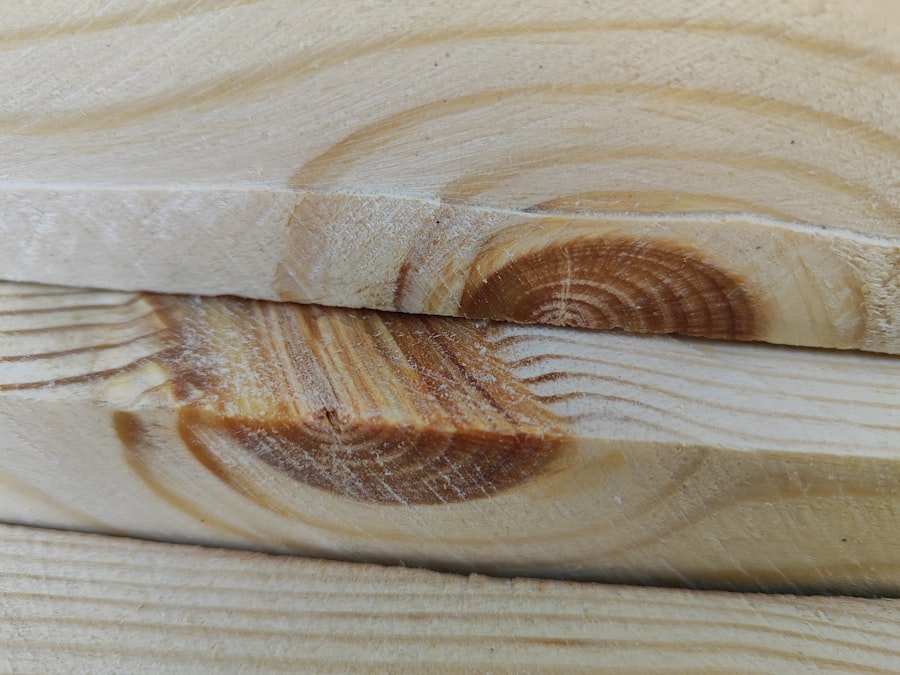
Safety should always be your top priority when working with wood.
Before you begin any project, take a moment to familiarize yourself with safety protocols. Wearing protective gear such as goggles, gloves, and ear protection can help shield you from potential hazards. Additionally, ensure that your workspace is organized and free from clutter to minimize accidents.
Establishing best practices in your woodworking routine will also contribute to a safer environment. Always keep your tools in good condition and use them as intended. For instance, never attempt to cut wood without securing it properly; using clamps can prevent slips and injuries.
Furthermore, maintaining a clean workspace not only enhances safety but also improves your focus and efficiency as you work on your projects.
Introduction to Different Woodworking Techniques
| Woodworking Technique | Description | Benefits |
|---|---|---|
| Joinery | Creating strong joints to connect wood pieces | Enhances structural integrity |
| Wood Carving | Shaping wood into decorative or functional objects | Allows for intricate designs |
| Wood Turning | Using a lathe to create rounded wood objects | Produces symmetrical and smooth shapes |
| Wood Finishing | Applying stains, varnishes, or paints to wood surfaces | Enhances appearance and protects wood |
As you delve deeper into woodworking, you’ll discover a variety of techniques that can elevate your craftsmanship. From basic cuts to intricate joinery, each method has its unique applications and benefits. For instance, learning how to make precise cuts with a miter saw can help you create clean edges for picture frames or furniture pieces.
On the other hand, mastering techniques like dovetail joints can add strength and beauty to your projects. Exploring different woodworking techniques also allows you to express your creativity. You might find joy in carving detailed designs or experimenting with different joinery methods to achieve a specific look.
As you practice these techniques, don’t hesitate to seek inspiration from other woodworkers or online resources. The woodworking community is vast and supportive, offering countless ideas and tips that can help you refine your skills.
Mastering the Art of Measuring and Cutting Wood
Accurate measuring and cutting are fundamental skills every woodworker must master. The old adage “measure twice, cut once” rings true in woodworking; precision is key to achieving professional results. Invest in quality measuring tools such as tape measures, squares, and calipers to ensure accuracy in your measurements.
Familiarize yourself with different measuring techniques, including how to account for blade thickness when making cuts. When it comes to cutting wood, practice is essential. Start with simple cuts before progressing to more complex shapes.
Whether you’re using hand saws or power tools, focus on maintaining steady pressure and following your marked lines closely. As you gain confidence in your cutting abilities, you’ll find that your projects come together more seamlessly, allowing you to focus on the creative aspects of woodworking.
Learning the Fundamentals of Joinery and Wood Joints
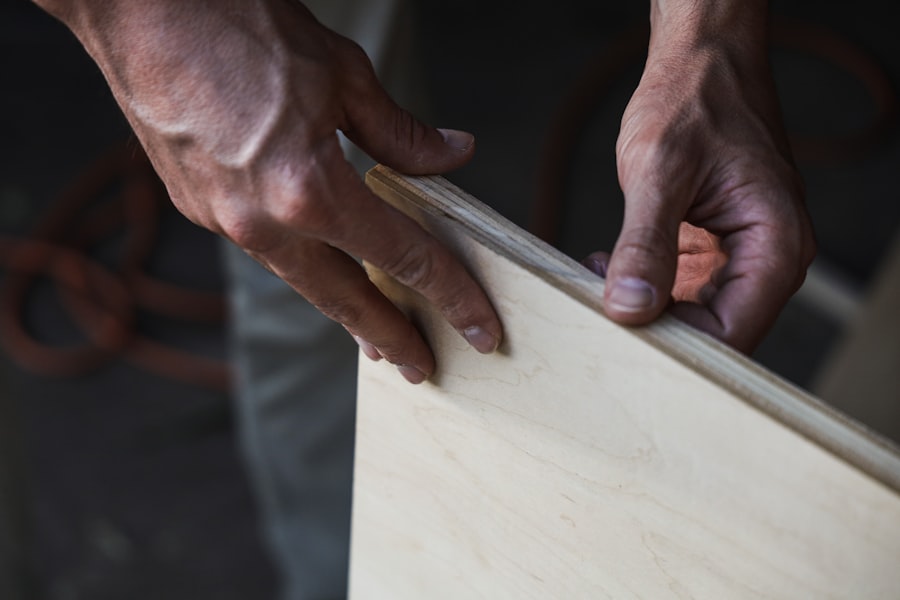
Joinery is a critical aspect of woodworking that involves connecting pieces of wood together securely. Understanding different types of joints will not only enhance the strength of your projects but also contribute to their aesthetic appeal. Common joints include butt joints, lap joints, and mortise-and-tenon joints, each serving specific purposes depending on the design and function of your piece.
As you explore joinery techniques, consider experimenting with various joint styles to see which ones resonate with your personal style. For instance, dovetail joints are often used in drawer construction due to their strength and visual appeal. Learning how to create these joints accurately will take practice but will significantly elevate the quality of your work.
Remember that each joint has its unique advantages; understanding when to use each type will make you a more versatile woodworker.
Sanding and Finishing Techniques for a Professional Look
Once your project is assembled, sanding and finishing are crucial steps that can transform a rough piece of wood into a polished masterpiece. Sanding helps smooth out surfaces and edges while removing any imperfections left from cutting or joining. Start with coarse-grit sandpaper to remove rough spots before gradually moving to finer grits for a smooth finish.
Pay attention to the direction of the wood grain; sanding against it can create scratches that detract from the final appearance. Finishing is where you can truly showcase your craftsmanship. Whether you choose paint, stain, or clear finishes, each option offers different benefits and aesthetics.
Applying a finish not only enhances the visual appeal but also protects the wood from moisture and wear over time. Take your time during this process; applying multiple thin coats often yields better results than one thick coat. Experiment with different finishes to find what best complements your style and enhances the natural beauty of the wood.
Exploring Different Wood Stains and Finishes
The world of wood stains and finishes is vast and varied, offering endless possibilities for personal expression in your woodworking projects. Stains come in an array of colors and formulations, allowing you to enhance or alter the natural hue of the wood while highlighting its grain patterns. When selecting a stain, consider how it will interact with the type of wood you’re using; some woods absorb stains differently than others.
In addition to stains, there are numerous finishing products available that can protect your work while adding depth and character. Oil-based finishes tend to provide a warm glow and are excellent for enhancing grain patterns, while water-based finishes dry quickly and offer easy cleanup. Experimenting with different combinations of stains and finishes can lead to stunning results that reflect your unique style as a woodworker.
Understanding Woodworking Plans and Blueprints
Having a solid plan is essential for successful woodworking projects. Woodworking plans provide detailed instructions on dimensions, materials needed, and step-by-step processes for constructing various items. Whether you’re building a simple shelf or an intricate piece of furniture, following a well-structured plan can save you time and frustration.
When reviewing plans or blueprints, take note of any specific measurements or techniques required for each step. Understanding how to read these plans will enhance your ability to execute projects accurately. As you gain experience, consider creating your own plans based on personal designs or modifications of existing projects; this will further develop your skills and creativity in woodworking.
Tips for Troubleshooting Common Woodworking Problems
Even seasoned woodworkers encounter challenges along the way; knowing how to troubleshoot common problems can save you time and frustration. Issues such as warping wood or misaligned joints can arise during any project. If you notice warping, consider using clamps or weights to help straighten the wood before assembly; this can often resolve alignment issues before they become problematic.
Another common issue is dealing with gaps in joints or seams after assembly. If this occurs, don’t despair; there are several ways to address it effectively. Wood filler can be used to fill gaps before sanding and finishing, ensuring a seamless appearance in the final product.
Additionally, learning how to adjust your techniques based on past mistakes will help you grow as a woodworker.
Resources for Further Learning and Improvement in Woodworking
As you continue on your woodworking journey, seeking out resources for further learning can greatly enhance your skills and knowledge base. Books on woodworking techniques offer valuable insights into various methods while providing inspiration for new projects. Online platforms such as video tutorials or woodworking forums allow you to connect with other enthusiasts who share tips and experiences.
Consider joining local woodworking clubs or classes where you can learn from experienced craftsmen while networking with fellow hobbyists. Engaging with others who share your passion can provide motivation and support as you tackle new challenges in woodworking. Remember that every project is an opportunity for growth; embrace each experience as a chance to refine your skills and expand your creativity in this rewarding craft.
If you are interested in learning more about woodwork techniques, you may want to check out the article “10 Essential Woodworking Tools for Beginners” on Woodworker’s Haven. This article provides valuable information on the tools that every beginner woodworker should have in their workshop to successfully complete various woodworking projects. It is a great resource for those looking to improve their woodworking skills and expand their knowledge of different techniques.