Selecting the appropriate wood finish for cutting boards is crucial for both functionality and aesthetics. A well-finished cutting board not only enhances the beauty of the wood but also protects it from moisture, bacteria, and wear over time. The right finish can significantly extend the life of your cutting board, ensuring it remains a reliable kitchen tool for years to come.
Moreover, a good finish can prevent the absorption of food odors and stains, making it easier to maintain hygiene in your kitchen. Additionally, the choice of finish can affect the cutting surface’s performance. Some finishes may create a slick surface that can be challenging for knife work, while others may provide a more textured grip.
Understanding the various finishes available allows you to make an informed decision that aligns with your cooking habits and preferences. Ultimately, the right wood finish not only protects your investment but also enhances your culinary experience.
Key Takeaways
- Choosing the right wood finish for cutting boards is crucial for durability and food safety.
- Common types of wood finishes for cutting boards include oil, wax, varnish, and polyurethane.
- Oil finishes are natural and food-safe, but require regular reapplication.
- Wax finishes provide a protective layer and are easy to apply, but may need frequent reapplication.
- Varnish and polyurethane finishes offer strong protection, but may not be food-safe and can require more maintenance.
Types of Wood Finishes for Cutting Boards
When it comes to wood finishes for cutting boards, there are several options available, each with its unique properties and benefits. The most common types include oil finishes, wax finishes, varnish finishes, and polyurethane finishes. Each type serves a different purpose and offers varying levels of protection and ease of maintenance.
Understanding these differences is essential for selecting the best finish for your specific needs. Oil finishes are popular among many woodworkers and chefs due to their ease of application and natural look. They penetrate the wood fibers, providing a protective barrier while allowing the wood to breathe.
Wax finishes, on the other hand, offer a softer sheen and are often used in conjunction with oil finishes to enhance protection. Varnish and polyurethane finishes create a hard, durable surface that is resistant to moisture and wear but can be more challenging to apply and maintain. By exploring these options, you can find the perfect finish that balances protection, aesthetics, and usability.
Oil Finishes for Cutting Boards
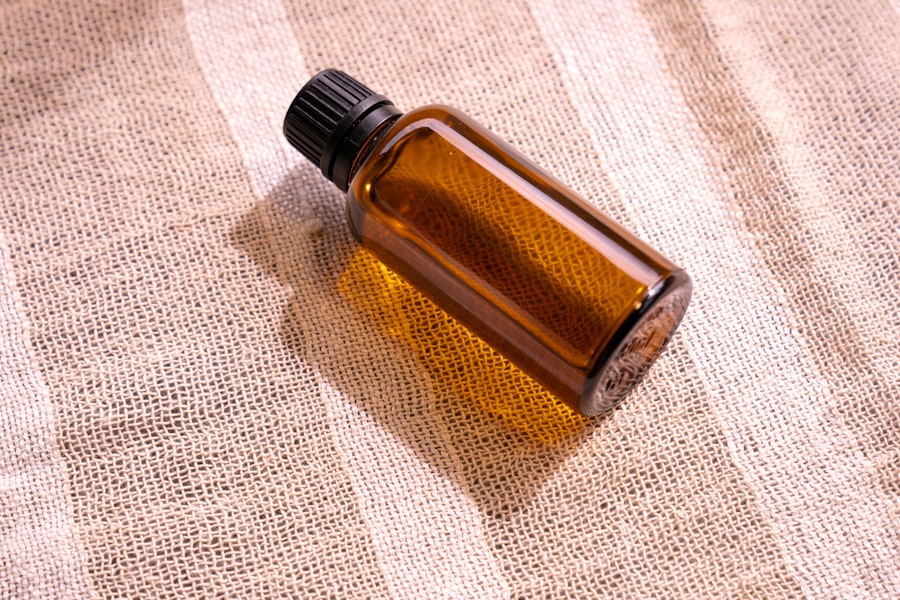
Oil finishes are among the most favored choices for cutting boards due to their simplicity and effectiveness. Common types of oils used include mineral oil, walnut oil, and tung oil. Mineral oil is particularly popular because it is food-safe, odorless, and inexpensive.
It penetrates deeply into the wood, providing moisture resistance while maintaining the natural beauty of the grain. Walnut oil offers a richer color and is also food-safe, but it may not be suitable for individuals with nut allergies. Applying an oil finish is straightforward; simply rub the oil into the wood using a clean cloth or paper towel until it is absorbed.
This process can be repeated several times to build up a protective layer. However, oil finishes do require regular reapplication to maintain their effectiveness, especially after heavy use or washing. Overall, oil finishes are an excellent choice for those seeking a natural look and feel while ensuring their cutting boards remain protected.
Wax Finishes for Cutting Boards
Wax finishes provide an additional layer of protection for cutting boards when used in conjunction with oil finishes. They create a barrier on the surface that helps repel moisture and dirt while enhancing the wood’s appearance with a soft sheen. Common waxes used include beeswax and carnauba wax, both of which are food-safe and provide excellent protection against wear.
Applying wax is typically done after an oil finish has been absorbed into the wood. A small amount of wax is rubbed onto the surface using a soft cloth, creating a smooth finish that feels pleasant to the touch. While wax finishes are easy to apply and maintain, they do require periodic reapplication to ensure continued protection.
Wax can also be less effective against deep scratches or cuts compared to harder finishes like varnish or polyurethane. Nevertheless, for those who appreciate a natural look and feel, wax finishes can be an ideal complement to oil treatments.
Varnish Finishes for Cutting Boards
Varnish finishes offer a more robust protective layer compared to oils and waxes.
This makes varnish an excellent choice for cutting boards that see heavy use or are exposed to liquids frequently.
However, it’s important to note that not all varnishes are food-safe; therefore, selecting a product specifically labeled as such is essential. Applying varnish requires more skill than oil or wax finishes due to its quick-drying nature and potential for uneven application. It typically involves multiple coats, with sanding between each layer to achieve a smooth finish.
While varnish provides excellent durability, it can alter the feel of the cutting board surface, making it less forgiving on knives compared to softer finishes. For those who prioritize durability over a natural feel, varnish can be an effective option.
Polyurethane Finishes for Cutting Boards
Polyurethane finishes are known for their exceptional durability and resistance to water and chemicals. They create a tough barrier that protects against scratches and stains, making them suitable for high-use cutting boards. Like varnish, it’s crucial to choose a food-safe polyurethane product if you plan to use it on surfaces that come into contact with food.
The application process for polyurethane can be similar to varnish but often requires more care due to its thicker consistency. It typically involves multiple coats with sanding in between to ensure a smooth finish. While polyurethane provides outstanding protection, it can create a slick surface that may not be ideal for all cutting tasks.
Additionally, some users may find that it alters the natural appearance of the wood more than other finishes do. For those who prioritize longevity and durability in their cutting boards, polyurethane can be an excellent choice.
How to Apply Wood Finish to Cutting Boards
Applying wood finish to cutting boards is a straightforward process but requires attention to detail for optimal results. First, ensure that your cutting board is clean and dry before starting any finishing work. If your board has been previously used or has any old finish on it, sanding it down with fine-grit sandpaper will help create a smooth surface for the new finish to adhere properly.
For oil finishes, pour a small amount onto a clean cloth or paper towel and rub it into the wood in circular motions until fully absorbed.
Repeat this process several times until you achieve the desired level of saturation.
For wax finishes, apply a thin layer over the oiled surface using a soft cloth after allowing the oil to cure. When using varnish or polyurethane finishes, use a high-quality brush or foam applicator to apply thin coats evenly across the surface of the board. Allow each coat to dry completely before lightly sanding with fine-grit sandpaper and applying additional coats as needed.
Following these steps will help ensure that your cutting board receives an even application of finish that enhances its beauty while providing necessary protection.
Maintenance and Care of Wood Finished Cutting Boards
Proper maintenance is essential for preserving the quality and longevity of wood-finished cutting boards. Regular cleaning should involve hand washing with mild soap and warm water; avoid soaking or placing them in the dishwasher as this can damage both the wood and finish over time. After washing, dry your cutting board immediately with a clean towel to prevent moisture absorption.
To maintain the protective qualities of your finish, reapply oil or wax regularly—typically every few weeks or after heavy use—to keep the wood hydrated and protected from drying out or cracking. For varnished or polyurethane-finished boards, inspect them periodically for signs of wear or damage; if you notice scratches or dullness in appearance, consider lightly sanding and reapplying another coat of finish as needed.
Pros and Cons of Different Wood Finishes for Cutting Boards
Each type of wood finish comes with its own set of advantages and disadvantages that should be considered when making your selection. Oil finishes are easy to apply and maintain but require frequent reapplication; they also allow the wood grain to show through beautifully. Wax finishes enhance protection but may not be as durable against deep cuts or scratches.
Varnish finishes provide excellent durability but can alter the feel of the cutting surface; they also require more skill in application due to their quick-drying nature. Polyurethane offers outstanding protection against moisture and wear but may create a slick surface that some users find less desirable for cutting tasks. By weighing these pros and cons carefully, you can choose a finish that best suits your needs.
Best Wood Finishes for Different Types of Cutting Boards
The best wood finish for your cutting board often depends on its intended use and material type. For hardwood cutting boards made from maple or walnut, oil finishes like mineral oil or walnut oil are highly recommended due to their ability to penetrate deeply while enhancing natural beauty. For bamboo cutting boards, which are more porous, an oil finish combined with wax can provide adequate protection without compromising performance.
For those who use their cutting boards heavily or require maximum durability—such as professional chefs—varnish or polyurethane finishes may be more suitable despite their more complex application processes. Ultimately, understanding your specific needs will guide you toward selecting the best finish for your cutting board type.
Tips for Choosing the Best Wood Finish for Your Cutting Board
When selecting a wood finish for your cutting board, consider factors such as ease of application, durability requirements, and personal preferences regarding aesthetics and feel. If you’re new to woodworking or finishing projects, starting with an oil finish may be best due to its simplicity and forgiving nature. Additionally, always prioritize food safety by choosing products specifically labeled as safe for food contact surfaces.
Consider how often you plan to use your cutting board; if it will see heavy use, opting for a more durable finish like varnish or polyurethane may be wise despite their more complex application processes. Lastly, don’t hesitate to experiment with different combinations of finishes—such as using an oil base followed by wax—to achieve both protection and aesthetic appeal tailored specifically to your needs. By taking these factors into account, you can confidently choose the best wood finish that enhances both functionality and beauty in your kitchen tools.
If you’re looking for more information on woodworking projects and techniques, be sure to check out the articles on Woodworker’s Haven. They offer a variety of resources and tips for woodworking enthusiasts of all skill levels. One article that may be of interest is their guide on how to properly maintain and care for cutting boards, which can help you choose the best wood finish for your own cutting board.