When embarking on a woodworking project, one of the first and most crucial decisions you’ll face is selecting the right type of wood.
Each type has its unique characteristics, advantages, and disadvantages, making it essential to understand these differences before diving into your project.
Softwoods typically come from coniferous trees, which are evergreen and have needles instead of leaves. Common examples include pine, cedar, and fir. These woods are generally lighter, easier to work with, and more affordable, making them popular choices for beginners and casual woodworking projects.
On the other hand, hardwoods are derived from deciduous trees that lose their leaves in the fall. These woods, such as oak, maple, and cherry, are denser and often more durable than softwoods. They tend to have more intricate grain patterns and richer colors, which can enhance the aesthetic appeal of finished projects.
However, hardwoods can be more challenging to work with due to their density and require sharper tools and more advanced techniques. Understanding these fundamental differences will help you make informed decisions as you explore the world of woodworking.
The distinction between softwood and hardwood goes beyond just the type of tree they come from; it also encompasses their physical properties and typical uses. Softwoods are generally less dense than hardwoods, which makes them easier to cut, shape, and sand. This characteristic is particularly beneficial for beginners who may not yet have mastered advanced woodworking techniques.
Additionally, softwoods tend to be more affordable, making them an attractive option for those just starting out or working on budget-conscious projects. In contrast, hardwoods are known for their strength and durability. They are often used in applications where longevity is essential, such as furniture making or cabinetry.
The density of hardwoods also means they can withstand wear and tear better than softwoods, making them ideal for high-traffic areas or items that will see frequent use. However, this durability comes at a cost; hardwoods are typically more expensive and can be more challenging to work with due to their density. Understanding these differences will help you choose the right wood type based on your project’s requirements and your skill level.
Key Takeaways
- Understanding the Different Wood Types
- Softwood vs. Hardwood: What’s the Difference?
- Choosing the Right Wood for Your Project
- Best Wood Types for Beginners
- Pine: A Versatile and Affordable Option
Choosing the Right Wood for Your Project
Selecting the right wood for your project involves considering several factors, including the intended use of the item, your budget, and your skill level as a woodworker. For beginners, it’s often advisable to start with softer woods like pine or fir. These materials are not only easier to work with but also allow for mistakes without significant financial loss.
If you’re creating a simple piece like a shelf or a birdhouse, softwoods can provide a satisfactory result while helping you build confidence in your skills. As you gain experience and become more comfortable with woodworking techniques, you may want to explore hardwoods for more intricate projects. Hardwoods like oak or maple can add a level of sophistication to your work that softwoods may not achieve.
However, it’s essential to consider the tools you have at your disposal; hardwoods often require sharper blades and more robust equipment to handle their density effectively. Ultimately, the right wood choice will depend on balancing your project goals with your current capabilities.
Best Wood Types for Beginners

For those just starting in woodworking, certain wood types stand out as particularly beginner-friendly due to their workability, availability, and cost-effectiveness. Pine is often regarded as one of the best options for novice woodworkers because it is widely available and relatively inexpensive. Its light weight makes it easy to handle, while its straight grain allows for straightforward cutting and shaping.
Additionally, pine takes paint and stain well, enabling beginners to experiment with finishes without fear of ruining their projects. Another excellent choice for beginners is poplar. This hardwood is softer than many other hardwoods, making it easier to work with while still providing a sturdy end product.
Poplar has a fine grain that can be painted or stained to mimic more expensive woods, making it a versatile option for various projects. As you gain confidence in your skills, you can gradually transition to more challenging woods like oak or cherry, which offer greater durability and aesthetic appeal.
Pine: A Versatile and Affordable Option
Pine is often hailed as the go-to wood for beginners due to its versatility and affordability. This softwood is readily available at most lumberyards and home improvement stores, making it an accessible choice for new woodworkers. Pine’s light color and straight grain allow for easy cutting and shaping, which is particularly beneficial when you’re still honing your skills.
Moreover, pine is forgiving when it comes to mistakes; if you make an error while cutting or sanding, it’s generally easier to fix than with harder woods. One of the standout features of pine is its ability to take on various finishes beautifully. Whether you prefer a natural look or want to paint your project in vibrant colors, pine can accommodate your vision.
However, it’s worth noting that pine can be prone to knots and resin pockets, which may affect its appearance in some cases. Despite this minor drawback, pine remains an excellent choice for furniture projects like shelves or tables where cost-effectiveness and ease of use are paramount.
Maple: A Durable and Easy-to-Work-With Wood
Maple is another fantastic option for beginner woodworkers looking to step into the realm of hardwoods without overwhelming themselves. Known for its durability and strength, maple is an excellent choice for projects that require a sturdy material that can withstand wear over time. Its fine grain provides a smooth surface that is easy to sand and finish, making it ideal for furniture pieces that will be used frequently.
In addition to its practical benefits, maple also boasts an attractive appearance with its light color and subtle grain patterns. This aesthetic quality allows it to blend seamlessly into various design styles, from modern to traditional. While maple may be slightly more challenging to work with than softer woods like pine, its workability remains manageable for beginners who are ready to take on new challenges in their woodworking journey.
Cherry: A Beautiful and Popular Choice for Fine Woodworking
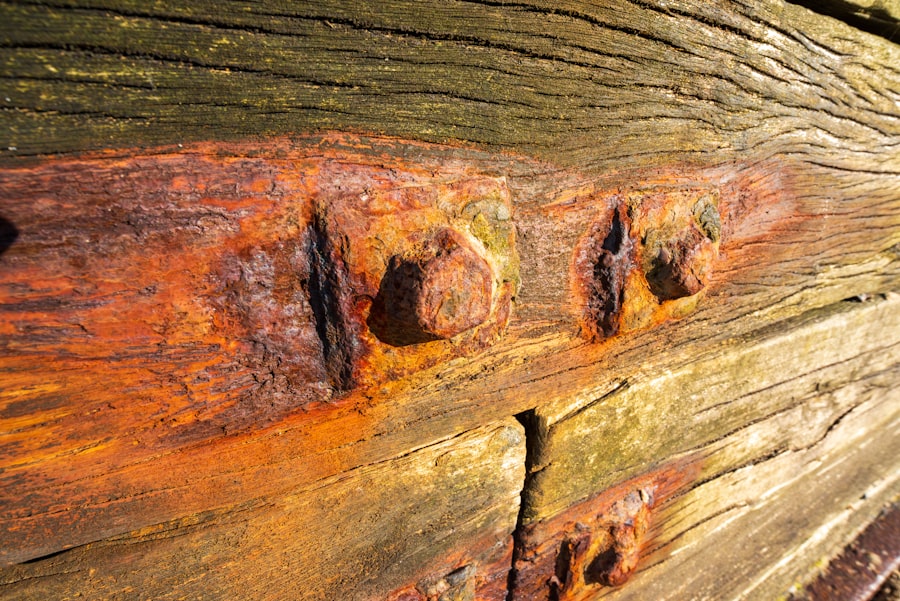
Cherry wood is often regarded as one of the most beautiful hardwoods available, making it a popular choice among fine woodworkers. Its rich reddish-brown hue deepens over time, adding character and warmth to any project. While cherry can be more expensive than other options like pine or maple, its stunning appearance makes it worth considering for special projects or heirloom pieces that you want to last a lifetime.
Working with cherry can be a rewarding experience for beginners who are ready to tackle a bit more complexity in their projects.
However, when finished correctly, cherry can produce breathtaking results that showcase your craftsmanship beautifully.
Oak: A Strong and Classic Wood for Furniture Making
Oak is a classic choice in woodworking that has stood the test of time due to its strength and durability. This hardwood is known for its distinctive grain patterns and rich color variations ranging from light tan to deep brown hues. Oak’s robustness makes it an ideal material for furniture pieces that need to withstand daily use while maintaining their structural integrity over time.
For beginners looking to create furniture that will last for generations, oak presents an excellent option despite being slightly more challenging to work with than softer woods. Its density requires sharper tools and may necessitate additional sanding efforts; however, the end results are often worth the extra effort. Oak’s natural beauty shines through when finished properly, making it a favorite among both amateur and professional woodworkers alike.
Walnut: A Rich and Luxurious Wood for Small Projects
Walnut is celebrated for its rich color and luxurious appearance, making it an excellent choice for small projects where aesthetics are paramount. This hardwood features deep chocolate tones with lighter streaks that create stunning visual interest in any piece you create. While walnut can be on the pricier side compared to other woods like pine or oak, its unique beauty makes it a worthwhile investment for special projects.
Working with walnut can be a delightful experience for those who have gained some confidence in their woodworking skills. The wood is relatively easy to cut and shape while providing a smooth finish that enhances its natural beauty. Whether you’re crafting small decorative items or intricate joinery pieces, walnut’s luxurious appeal will elevate your work and impress anyone who sees it.
Mahogany: A Timeless and Elegant Wood for Fine Woodworking
Mahogany has long been revered as one of the finest woods available for woodworking due to its timeless elegance and rich color variations ranging from reddish-brown to deep mahogany hues. This hardwood is often used in high-end furniture making because of its durability and resistance to warping over time. While mahogany can be more expensive than other options on this list, its beauty makes it a worthy investment for serious woodworkers looking to create heirloom-quality pieces.
For beginners ready to take on a challenge, mahogany offers an opportunity to work with a premium material that can yield stunning results when crafted carefully. The wood’s fine grain allows for smooth finishes while providing ample opportunities for intricate detailing in joinery or carving work. Although mahogany requires some experience in handling hardwoods effectively, the satisfaction of creating something beautiful from this exquisite material is unparalleled.
Finding the Perfect Wood for Your First Woodworking Project
Choosing the right wood type is essential when embarking on your first woodworking project; understanding the differences between softwoods and hardwoods will guide you toward making informed decisions based on your skill level and project goals. For beginners seeking versatility without breaking the bank, options like pine or poplar provide excellent starting points that allow room for growth as skills develop over time. As you gain confidence in your abilities, exploring hardwoods such as maple or cherry can elevate your craftsmanship while adding beauty to your creations.
Ultimately, whether you opt for classic oak or luxurious walnut depends on personal preferences regarding aesthetics versus practicality—each wood type offers unique benefits suited for various projects. By taking the time to understand these different wood types and their characteristics thoroughly before diving into your first project will set you up for success in this rewarding craft!
If you are a first-time woodworker looking for guidance on the best wood types to use, you may also be interested in checking out the article “Woodworking Basics: A Beginner’s Guide” on Woodworker’s Haven. This article provides valuable information on essential tools, techniques, and safety tips for beginners in the woodworking craft. It can serve as a helpful companion piece to the discussion on wood types for novice woodworkers.