Enrolling in woodwork classes can be a transformative experience, offering a multitude of benefits that extend beyond the mere act of crafting. First and foremost, these classes provide you with the opportunity to develop practical skills that can be applied in various aspects of life. Whether you are a complete novice or someone with a bit of experience, learning the intricacies of woodworking can enhance your problem-solving abilities and boost your confidence.
As you navigate through different projects, you will find yourself gaining a sense of accomplishment that comes from creating something tangible with your own hands. Moreover, woodwork classes foster a sense of community and connection. You will likely find yourself surrounded by like-minded individuals who share your passion for woodworking.
This environment encourages collaboration and the exchange of ideas, allowing you to learn not just from your instructor but also from your peers. The friendships and networks you build in these classes can lead to future collaborations or simply provide a support system as you continue your woodworking journey.
Key Takeaways
- Woodwork classes provide a creative outlet and a sense of accomplishment
- Look for woodwork classes that match your skill level and interests
- Basic tools and materials for woodwork classes include saws, chisels, and sandpaper
- Safety precautions in woodwork classes include wearing protective gear and using tools properly
- Learning basic woodwork techniques such as measuring, cutting, and sanding is essential for beginners
- Advanced woodwork techniques like joinery and carving require practice and patience
- Woodwork classes allow you to create unique projects like furniture and decorative items
- Incorporating design and creativity in woodwork involves choosing wood types and finishes
- Finding inspiration for woodwork projects can come from nature, architecture, or personal experiences
- Showcasing your woodwork creations can be done through exhibitions, social media, or selling your work
- Continuing your woodwork journey involves seeking new challenges and learning from experienced woodworkers
Finding the Right Woodwork Class for You
When it comes to selecting the right woodwork class, it’s essential to consider your personal goals and skill level. Start by assessing what you hope to achieve through the class. Are you looking to learn basic techniques, or do you have specific projects in mind that require advanced skills?
Research local workshops, community colleges, or online platforms that offer woodworking courses tailored to various skill levels. Many institutions provide introductory classes that cover fundamental techniques, while others may focus on specialized areas such as furniture making or cabinetry. Additionally, take the time to read reviews and testimonials from previous students.
This feedback can give you insight into the teaching style of the instructor and the overall atmosphere of the class. If possible, attend an open house or a trial session to get a feel for the environment and see if it aligns with your learning preferences. Remember, the right class should not only teach you the skills you want to learn but also inspire you to explore your creativity in woodworking.
Tools and Materials Needed for Woodwork Classes

Before diving into woodworking, it’s crucial to familiarize yourself with the tools and materials you will be using in your classes. Basic tools typically include hand saws, chisels, hammers, and measuring tapes. As you progress, you may also encounter power tools such as drills, routers, and table saws.
Understanding how to use these tools safely and effectively is essential for any woodworker. Many classes will provide access to tools, but having your own set can enhance your learning experience and allow you to practice at home. In addition to tools, you will need to consider the types of wood and other materials required for your projects. Different woods have unique properties that affect their workability and final appearance. Softwoods like pine are often easier for beginners to work with, while hardwoods like oak or walnut may require more advanced techniques.
Your instructor will guide you in selecting appropriate materials based on your project goals, but it’s beneficial to familiarize yourself with various types of wood and their characteristics.
Safety Precautions in Woodwork Classes
| Safety Precautions | Importance |
|---|---|
| Wearing safety goggles | Protects eyes from wood chips and sawdust |
| Using ear protection | Prevents hearing damage from loud machinery |
| Wearing closed-toe shoes | Protects feet from falling objects and sharp tools |
| Using push sticks | Keeps hands away from cutting blades |
| Keeping work area clean | Reduces risk of tripping and falling |
Safety should always be a top priority when participating in woodwork classes. The use of sharp tools and heavy machinery can pose risks if proper precautions are not taken. Before starting any project, ensure that you are wearing appropriate safety gear, including goggles, ear protection, and dust masks.
These items will help protect you from flying debris and harmful dust particles that can arise during woodworking. Additionally, it’s important to understand the safety protocols associated with each tool you will be using. Your instructor will likely provide a thorough overview of safe practices, including how to handle tools correctly and how to maintain a clean workspace.
Always follow these guidelines closely; they are designed not only to protect you but also to create a safe environment for everyone in the class. By prioritizing safety, you can focus on honing your skills without unnecessary distractions or risks.
Learning Basic Woodwork Techniques
As you embark on your woodworking journey, mastering basic techniques is essential for building a strong foundation. Start with fundamental skills such as measuring and cutting accurately, which are crucial for any project. Learning how to read plans and translate them into physical dimensions will empower you to tackle more complex designs in the future.
Your instructor will guide you through these basics, often using hands-on demonstrations to illustrate key concepts. In addition to measuring and cutting, you will also learn about joinery techniques—how different pieces of wood can be connected securely. Techniques such as butt joints, dovetails, and mortise-and-tenon joints are foundational skills that every woodworker should master.
These methods not only enhance the structural integrity of your projects but also contribute to their aesthetic appeal. As you practice these techniques, you’ll gain confidence in your abilities and develop a deeper appreciation for the craftsmanship involved in woodworking.
Advanced Woodwork Techniques to Master
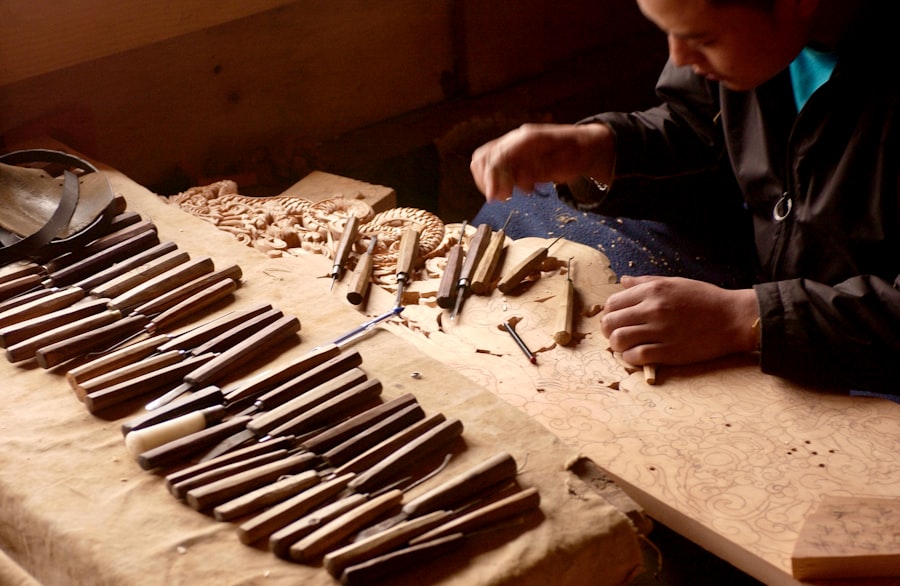
Once you’ve grasped the basics of woodworking, it’s time to delve into more advanced techniques that will elevate your skills further. One such technique is carving, which allows you to add intricate details and designs to your projects. Carving can range from simple patterns to complex sculptures, providing endless opportunities for creativity.
Your instructor may introduce you to various carving tools and methods, helping you understand how to manipulate wood in new ways. Another advanced technique worth mastering is finishing—an essential step that enhances both the appearance and durability of your projects. Learning about different types of finishes, such as stains, paints, and sealants, will enable you to achieve the desired look for your creations while protecting them from wear and tear.
Understanding how to apply finishes correctly can make a significant difference in the final outcome of your work, allowing your craftsmanship to shine through.
Creating Unique Woodwork Projects
One of the most rewarding aspects of woodworking is the ability to create unique projects that reflect your personal style and interests. As you gain confidence in your skills, consider embarking on projects that challenge you while allowing for creative expression. Whether it’s building a custom piece of furniture or crafting decorative items for your home, the possibilities are endless.
To start creating unique projects, think about what inspires you or what gaps exist in your living space that could be filled with handmade items. Perhaps you’ve always wanted a specific type of bookshelf or a one-of-a-kind coffee table. Use these ideas as a springboard for your projects, incorporating techniques you’ve learned in class while experimenting with new designs.
The satisfaction of bringing your vision to life is one of the most fulfilling aspects of woodworking.
Incorporating Design and Creativity in Woodwork
Woodworking is not just about technical skills; it’s also an art form that allows for immense creativity and design exploration. As you become more comfortable with the craft, consider how you can incorporate design principles into your projects. Understanding concepts such as balance, proportion, and harmony can help elevate your work from functional pieces to true works of art.
Experimenting with different styles—be it modern minimalism or rustic charm—can also enhance your creative process. Don’t hesitate to draw inspiration from various sources such as nature, architecture, or even other art forms like painting or sculpture. By blending these influences into your woodworking projects, you’ll develop a unique style that sets your work apart from others.
Finding Inspiration for Your Woodwork Projects
Inspiration can come from many places when it comes to woodworking. One effective way to spark creativity is by exploring online platforms such as Pinterest or Instagram, where countless woodworkers share their projects and ideas. These platforms allow you to see what others are creating while providing a wealth of tutorials and tips that can inform your own work.
Additionally, visiting local craft fairs or galleries can expose you to different styles and techniques used by other artisans. Engaging with fellow woodworkers at workshops or community events can also lead to new ideas and collaborations. Keep a journal or sketchbook handy to jot down ideas as they come; this practice can help solidify concepts for future projects while serving as a source of motivation when you’re feeling stuck.
Showcasing Your Woodwork Creations
Once you’ve completed a project that you’re proud of, showcasing your work is an important step in celebrating your achievements as a woodworker. Consider hosting a small gathering with friends and family where you can display your creations and share the stories behind them. This not only allows others to appreciate your craftsmanship but also provides an opportunity for feedback and encouragement.
In addition to personal showcases, consider participating in local craft fairs or exhibitions where you can display and sell your work. These events often attract fellow artisans and potential customers who appreciate handmade items. Sharing your creations online through social media platforms or personal websites can also help build an audience for your work while connecting you with other woodworking enthusiasts.
Continuing Your Woodwork Journey
Woodworking is a lifelong journey filled with continuous learning and growth. As you progress in your skills and knowledge, consider seeking out advanced classes or workshops that focus on specific techniques or styles you’re interested in exploring further. Joining woodworking clubs or online communities can also provide ongoing support and inspiration as you connect with others who share your passion.
Don’t forget the importance of practice; the more time you spend working with wood, the more proficient you’ll become. Set aside regular time for woodworking projects—whether big or small—to keep honing your skills while allowing room for experimentation and creativity. Embrace challenges as opportunities for growth; every mistake is a lesson learned that contributes to your development as a woodworker.
In conclusion, embarking on a journey through woodwork classes opens up a world of possibilities for personal growth, creativity, and craftsmanship. By investing time in learning techniques, finding inspiration, and showcasing your work, you’ll not only develop valuable skills but also cultivate a lifelong passion for woodworking that enriches both your life and those around you.
If you’re interested in taking woodwork classes, you may also want to check out the article on Woodworkers Haven’s website about the benefits of learning woodworking skills. This article discusses how woodworking can improve problem-solving abilities, boost creativity, and provide a sense of accomplishment. To read more about the advantages of woodworking, visit Woodworkers Haven’s website.