When it comes to furniture assembly, the importance of using the right clamps cannot be overstated. Clamps are essential tools that provide the necessary pressure to hold pieces together while glue dries or joints are secured. Without the proper clamps, even the most meticulously crafted furniture can suffer from misalignment, weak joints, and ultimately, structural failure.
The right clamps ensure that your furniture not only looks good but also stands the test of time. They help maintain the integrity of your work, allowing you to create pieces that are both functional and aesthetically pleasing. Moreover, using the correct clamps can significantly enhance your efficiency during the assembly process.
With the right tools at your disposal, you can streamline your workflow, reduce the time spent on adjustments, and focus on achieving a high-quality finish. This is particularly important for beginners who may still be learning the nuances of furniture assembly. By investing in the right clamps, you set yourself up for success, making the entire process smoother and more enjoyable.
Key Takeaways
- Using the right clamps is crucial for successful furniture assembly
- Quick-release clamps are essential for efficient furniture assembly
- Bar clamps are ideal for large furniture projects
- Pipe clamps are versatile and strong for furniture assembly
- Spring clamps are handy for holding small pieces in place
- Consider the type of furniture project and materials when choosing the right clamps
- Parallel clamps are perfect for gluing and clamping panels
- Edge clamps are essential for joining boards and panels
- Band clamps are great for irregularly shaped furniture pieces
- Choose clamps that provide the right amount of pressure and stability for your furniture assembly project
Types of Clamps for Furniture Assembly
There are several types of clamps available for furniture assembly, each designed to serve specific purposes. Understanding these different types can help you choose the right ones for your projects. Among the most common types are quick-release clamps, bar clamps, pipe clamps, spring clamps, C-clamps, parallel clamps, edge clamps, and band clamps.
Each type has its unique features and benefits that cater to various assembly needs. For instance, quick-release clamps are designed for speed and ease of use, making them ideal for beginners who may not yet be familiar with more complex clamping techniques. On the other hand, bar clamps are perfect for larger projects that require significant pressure over a wide area.
Pipe clamps offer versatility and strength, while spring clamps are handy for smaller pieces that need to be held in place temporarily. Understanding these options will empower you to make informed decisions when selecting clamps for your furniture assembly projects.
Quick-Release Clamps: A Must-Have for Efficient Furniture Assembly

Quick-release clamps are a game-changer for anyone involved in furniture assembly. These clamps feature a simple mechanism that allows users to adjust and release them with one hand, making them incredibly user-friendly. For beginners, this ease of use can significantly reduce frustration during assembly.
Quick-release clamps are particularly useful when working on projects that require frequent adjustments or repositioning of parts. In addition to their convenience, quick-release clamps provide a strong grip that ensures pieces remain securely in place while glue sets or joints are fastened. Their lightweight design makes them easy to handle and transport, which is especially beneficial for those who may be working in different locations or on various projects.
Overall, quick-release clamps are an essential tool for anyone looking to enhance their efficiency and effectiveness in furniture assembly.
Bar Clamps: Ideal for Large Furniture Projects
Bar clamps are a staple in any woodworker’s toolkit, especially when it comes to large furniture projects. These clamps consist of a long metal bar with adjustable arms that can accommodate wide panels or multiple pieces at once. Their design allows for even pressure distribution across the surface being clamped, which is crucial for achieving strong joints in larger assemblies.
One of the key advantages of bar clamps is their ability to handle significant amounts of pressure without slipping or losing grip. This makes them ideal for gluing large tabletops or securing heavy frames where stability is paramount. For beginners tackling larger projects, investing in a set of bar clamps can make a world of difference in ensuring that your work remains aligned and secure throughout the assembly process.
Pipe Clamps: Versatile and Strong for Furniture Assembly
Pipe clamps are another versatile option that many woodworkers swear by. These clamps utilize standard plumbing pipes as their main component, allowing users to customize the length according to their needs. This adaptability makes pipe clamps suitable for a wide range of furniture assembly tasks, from small projects to large-scale builds.
They can exert significant pressure on joints, ensuring a tight fit that is essential for durability. Additionally, because they can be adjusted to various lengths, they are perfect for irregularly shaped pieces or when working with multiple components at once.
For beginners looking to invest in a reliable clamping solution that offers both strength and versatility, pipe clamps are an excellent choice.
Spring Clamps: Handy for Holding Small Pieces in Place
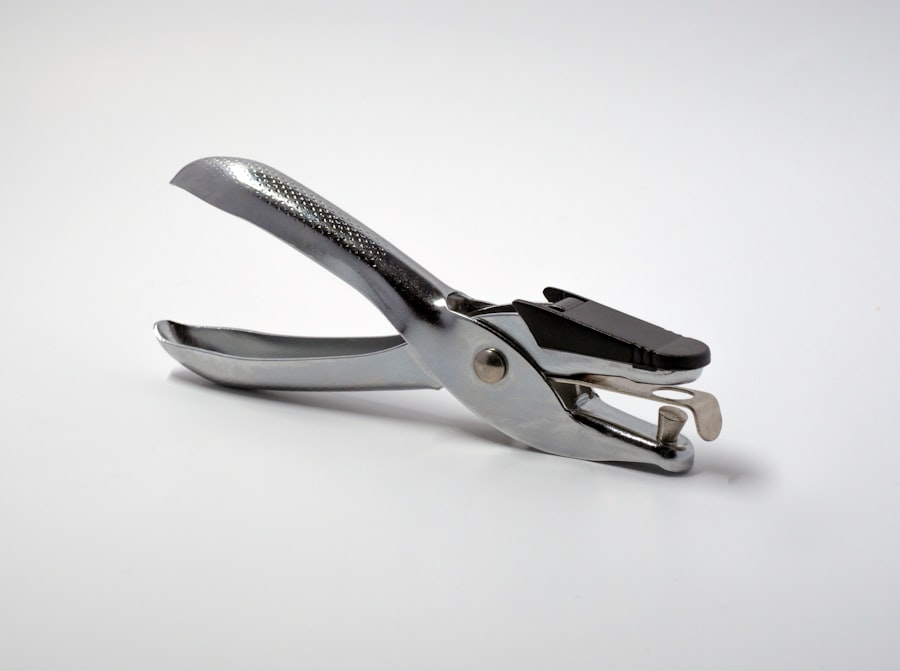
Spring clamps are small but mighty tools that can be incredibly useful during furniture assembly. These clamps operate using a simple spring mechanism that allows them to open wide and then close tightly around small pieces of wood or other materials. Their compact size makes them ideal for holding smaller components in place while you work on larger assemblies.
One of the primary benefits of spring clamps is their ease of use; they can be quickly applied and removed with one hand, making them perfect for quick adjustments or temporary holds. For beginners who may be working with intricate designs or smaller parts, having a set of spring clamps on hand can simplify the process and improve overall efficiency. They are particularly useful when assembling drawer boxes or attaching small trim pieces where precision is key.
C-Clamps: Reliable and Durable for Furniture Assembly
C-clamps are a classic choice among woodworkers and furniture makers due to their reliability and durability. These clamps feature a simple design consisting of a fixed arm and a movable arm that tightens against the workpiece when turned. C-clamps come in various sizes, making them suitable for a wide range of applications in furniture assembly.
One of the main advantages of C-clamps is their ability to provide a strong grip on materials without damaging them. This is particularly important when working with delicate woods or finishes that could be marred by excessive pressure. For beginners, C-clamps offer a straightforward solution for securing joints while glue dries or when making adjustments during assembly.
Their robust construction ensures they will last through many projects, making them a worthwhile investment.
Parallel Clamps: Perfect for Gluing and Clamping Panels
Parallel clamps are specifically designed for gluing and clamping panels together, making them an essential tool for any furniture maker focused on achieving flat surfaces and strong joints. Unlike traditional clamps that may apply uneven pressure, parallel clamps maintain consistent pressure across the entire surface area being clamped. This feature is crucial when working with large panels or tabletops where alignment is key.
The design of parallel clamps allows them to open wide enough to accommodate thick materials while still providing even pressure throughout the clamping process. For beginners tackling projects like tabletops or cabinet doors, parallel clamps can help ensure that your pieces remain flat and aligned during glue-up, resulting in a professional finish. Investing in a set of parallel clamps can elevate your furniture assembly skills and lead to better overall results.
Edge Clamps: Essential for Joining Boards and Panels
Edge clamps are specifically designed for joining boards and panels together at their edges, making them an invaluable tool for furniture assembly projects that involve creating larger surfaces from smaller pieces. These clamps feature a unique design that allows them to apply pressure directly along the edge of the boards being joined, ensuring a tight fit without damaging the surfaces. For beginners working on projects like tabletops or cabinet sides where multiple boards need to be joined seamlessly, edge clamps provide an effective solution.
They help maintain alignment while allowing glue to set properly, resulting in strong joints that can withstand everyday use. By incorporating edge clamps into your toolkit, you can enhance your ability to create beautiful and durable furniture pieces.
Band Clamps: Great for Irregularly Shaped Furniture Pieces
Band clamps are an excellent choice for those working with irregularly shaped furniture pieces or curved surfaces. These clamps consist of a flexible band that wraps around the workpiece and tightens using a ratcheting mechanism or tensioning system. This design allows band clamps to conform to various shapes while applying even pressure across the entire surface.
For beginners tackling unique designs or custom furniture pieces, band clamps offer versatility that traditional clamps may not provide. They are particularly useful when assembling curved tabletops or round furniture where standard clamping methods may fall short. By adding band clamps to your collection, you can expand your creative possibilities and tackle more complex projects with confidence.
Tips for Choosing the Right Clamps for Your Furniture Assembly Project
When selecting the right clamps for your furniture assembly project, there are several factors to consider to ensure you make an informed decision. First and foremost, assess the size and type of project you will be working on. Larger projects may require bar or pipe clamps for adequate support, while smaller tasks might benefit from quick-release or spring clamps.
Additionally, consider the materials you will be using; some clamps may be better suited for specific types of wood or finishes than others. It’s also essential to think about how often you’ll need to adjust or reposition your workpieces during assembly—quick-release clamps excel in this area due to their user-friendly design. Lastly, don’t hesitate to invest in quality tools; well-made clamps will last longer and perform better than cheaper alternatives.
By taking these factors into account and understanding the various types of clamps available, you can choose the right tools that will enhance your furniture assembly experience and lead to successful outcomes in your projects. In conclusion, using the right clamps is crucial for successful furniture assembly. With various options available—each serving unique purposes—understanding their features will empower you as a beginner woodworker or DIY enthusiast.
By investing in quality tools tailored to your specific needs, you can elevate your craftsmanship and create beautiful pieces that stand the test of time.
If you’re looking for the best clamps for furniture assembly, you may also be interested in checking out the article on Woodworker’s Haven about the importance of using high-quality wood glue in your projects. The article discusses how using the right type of wood glue can make a significant difference in the strength and durability of your furniture pieces. You can read more about it here.
FAQs
What are clamps used for in furniture assembly?
Clamps are used in furniture assembly to hold pieces of wood or other materials together while glue dries or while fasteners are being installed. They help to ensure that the pieces are held firmly in place and that the joints are secure.
What are the different types of clamps used for furniture assembly?
There are several types of clamps that are commonly used for furniture assembly, including bar clamps, pipe clamps, C-clamps, spring clamps, and band clamps. Each type of clamp has its own specific use and advantages, depending on the specific needs of the furniture assembly project.
What factors should be considered when choosing clamps for furniture assembly?
When choosing clamps for furniture assembly, it is important to consider the size and weight of the pieces being assembled, the type of joints being used, and the specific requirements of the project. It is also important to consider the quality and durability of the clamps, as well as the ease of use and adjustability.
What are some popular brands of clamps for furniture assembly?
Some popular brands of clamps for furniture assembly include Bessey, Jorgensen, Irwin, and Pony. These brands are known for their high-quality clamps that are designed to meet the specific needs of furniture assembly projects.
How should clamps be used safely in furniture assembly?
When using clamps for furniture assembly, it is important to follow the manufacturer’s instructions for proper use and safety precautions. It is also important to ensure that the clamps are securely attached and that they are not over-tightened, which could damage the materials being clamped. Additionally, it is important to use appropriate personal protective equipment, such as gloves and safety glasses, when using clamps.