Wood conditioner plays a crucial role in the maintenance and enhancement of furniture. It serves as a preparatory step before applying stains or finishes, ensuring that the wood absorbs these products evenly. Without a proper wood conditioner, certain types of wood can absorb stains unevenly, leading to blotchy and unsightly results.
This is particularly true for softwoods like pine and certain hardwoods such as maple and cherry, which can have varying densities and grain patterns. By using a wood conditioner, you create a uniform surface that allows for a more consistent finish, enhancing the overall appearance of your furniture. Moreover, wood conditioner helps to protect the wood from moisture and environmental factors that can lead to deterioration over time.
It penetrates the wood fibers, providing a barrier against water damage and preventing the wood from drying out and cracking. This is especially important for furniture that is exposed to varying humidity levels or direct sunlight. By investing in a quality wood conditioner, you not only improve the aesthetic appeal of your furniture but also extend its lifespan, making it a wise choice for any homeowner or furniture enthusiast.
Key Takeaways
- Using wood conditioner is important for protecting and preserving the quality of your furniture.
- Different wood types require different types of wood conditioner for optimal results.
- Consider factors such as the type of wood, desired finish, and ease of application when choosing a wood conditioner.
- Look for wood conditioners with features such as UV protection, water resistance, and compatibility with various finishes.
- Using wood conditioner on furniture helps to prevent drying, cracking, and warping, while enhancing the natural beauty of the wood.
Types of Wood Conditioner for Different Wood Types
When it comes to selecting a wood conditioner, understanding the different types available is essential for achieving the best results. There are primarily two categories of wood conditioners: oil-based and water-based. Oil-based conditioners are ideal for dense hardwoods like oak and walnut, as they penetrate deeply into the wood fibers, providing excellent protection and enhancing the natural grain.
These conditioners often contain natural oils such as linseed or tung oil, which nourish the wood while offering a rich finish. On the other hand, water-based conditioners are better suited for softer woods like pine or birch. They dry quickly and are less likely to raise the grain of the wood, making them easier to work with for beginners.
Water-based conditioners also tend to have lower VOC (volatile organic compounds) levels, making them a more environmentally friendly option. Understanding the specific needs of your wood type will help you choose the right conditioner, ensuring that your furniture receives the best possible care.
How to Choose the Best Wood Conditioner for Your Furniture
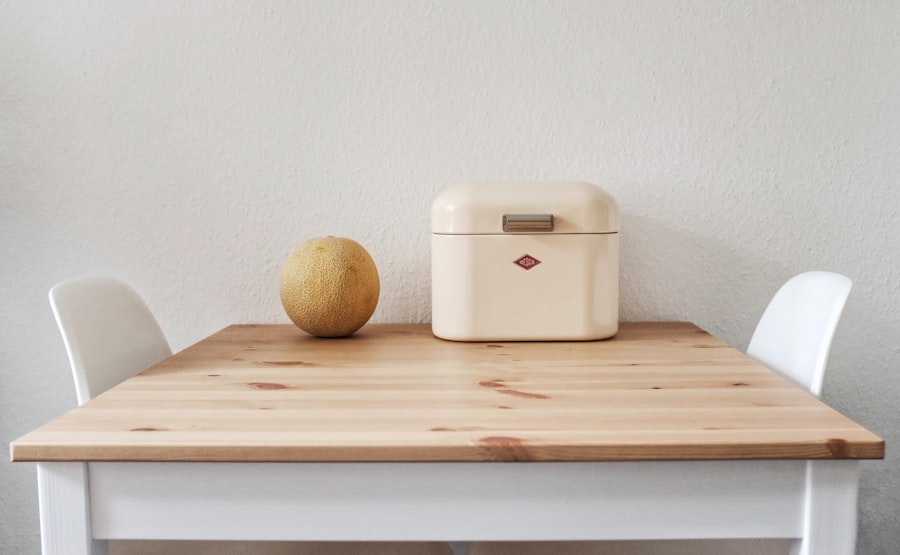
Choosing the best wood conditioner for your furniture involves considering several factors that can influence the outcome of your project. First and foremost, assess the type of wood you are working with. As mentioned earlier, different woods require different types of conditioners.
Additionally, consider the finish you plan to apply after conditioning. If you intend to use an oil-based stain, an oil-based conditioner would be more compatible, while a water-based stain would pair well with a water-based conditioner. Another important factor is the intended use of the furniture.
For pieces that will be exposed to heavy wear and tear, such as dining tables or coffee tables, look for conditioners that offer enhanced durability and protection. Some products are specifically formulated to provide extra resistance against scratches and stains, making them ideal for high-traffic areas. Lastly, read reviews and seek recommendations from other users to find a product that has proven effective in similar applications.
Top Features to Look for in a Wood Conditioner
When selecting a wood conditioner, there are several key features to keep in mind that can significantly impact your results. One of the most important features is ease of application. Look for conditioners that come in user-friendly packaging, such as squeeze bottles or spray cans, which allow for precise application without excessive mess.
Additionally, consider the drying time; some products dry quickly, allowing you to move on to staining or finishing sooner. Another feature to consider is the formulation of the conditioner itself. Some products contain additives that enhance their protective qualities, such as UV inhibitors or mold-resistant properties.
These features can be particularly beneficial for outdoor furniture or pieces placed in humid environments. Lastly, check if the conditioner is compatible with various finishes; this versatility can save you time and effort in future projects.
Benefits of Using Wood Conditioner on Furniture
The benefits of using wood conditioner on furniture extend beyond just aesthetics. One of the primary advantages is improved stain absorption, which leads to a more uniform and professional-looking finish. This is especially important for DIY enthusiasts who may not have extensive experience with staining techniques.
A good conditioner helps mitigate common issues like blotching and streaking, resulting in a more polished appearance. In addition to enhancing appearance, wood conditioners also provide essential protection for your furniture. They create a barrier against moisture and environmental factors that can cause damage over time.
This protective layer helps prevent warping, cracking, and fading due to exposure to sunlight or humidity fluctuations. By using a wood conditioner regularly, you can maintain the integrity of your furniture while ensuring it remains beautiful for years to come.
How to Apply Wood Conditioner to Furniture

Applying wood conditioner is a straightforward process that can yield impressive results when done correctly. Begin by preparing your workspace; ensure that you have all necessary tools on hand, including clean rags or brushes for application, sandpaper for surface preparation, and gloves to protect your hands from any chemicals. Start by sanding the surface of your furniture lightly with fine-grit sandpaper to create a smooth base for the conditioner.
Be sure to apply an even coat without over-saturating any areas; this will help prevent pooling or uneven absorption. Allow the conditioner to sit for about 15-30 minutes before wiping off any excess with a clean cloth.
This step is crucial as it ensures that only the right amount of product remains on the surface for optimal absorption. After application, let it dry completely before proceeding with staining or finishing.
Best Wood Conditioner for Antique Furniture
When it comes to caring for antique furniture, choosing the right wood conditioner is paramount to preserving its beauty and integrity. One highly recommended product is Minwax Pre-Stain Wood Conditioner. This oil-based formula is designed specifically for softwoods but works well on hardwoods too, making it versatile for various antique pieces.
Its ability to penetrate deeply into aged wood helps restore luster while preventing blotchy stains during finishing. Another excellent option is Zinsser Bulls Eye SealCoat Universal Sanding Sealer. This product is particularly beneficial for antique furniture because it’s made from shellac, which is compatible with most finishes and provides excellent adhesion properties.
It also dries quickly and can be easily sanded between coats if needed. Both of these conditioners not only enhance the appearance of antique furniture but also provide essential protection against wear and tear.
Best Wood Conditioner for Outdoor Furniture
Outdoor furniture faces unique challenges due to exposure to elements like rain, sun, and temperature fluctuations. Therefore, selecting a suitable wood conditioner is crucial for maintaining its longevity and appearance. One top choice is Ready Seal Natural Cedar Exterior Wood Stain and Sealer.
This product acts as both a stain and a sealer while conditioning the wood simultaneously. Its UV protection helps prevent fading from sunlight while repelling moisture. Another great option is Thompson’s WaterSeal Advanced Natural Wood Protector.
This water-based formula provides excellent waterproofing capabilities while conditioning the wood fibers effectively. It’s easy to apply and dries clear, making it ideal for maintaining the natural beauty of outdoor furniture without altering its color significantly. Both products offer robust protection against outdoor elements while ensuring your furniture remains visually appealing.
DIY Wood Conditioner Recipes for Furniture
For those who prefer a hands-on approach or want to save money on commercial products, creating a DIY wood conditioner can be an excellent alternative. One simple recipe involves mixing equal parts of mineral oil and vinegar. This combination not only conditions the wood but also helps remove dirt and grime effectively.
Apply it using a soft cloth in circular motions, allowing it to soak into the wood before buffing off any excess. Another popular DIY option is combining beeswax with mineral oil to create a nourishing paste that conditions and protects wooden surfaces. Melt equal parts of beeswax and mineral oil together until fully combined, then let it cool into a solid form.
To use this mixture, rub it onto your furniture with a soft cloth and buff it out after allowing it to sit for a few minutes. Both recipes are easy to make and provide effective conditioning without harsh chemicals.
Tips for Maintaining Furniture After Using Wood Conditioner
After applying wood conditioner, maintaining your furniture properly will ensure its longevity and continued beauty. One essential tip is to regularly dust your furniture with a soft microfiber cloth to prevent dirt buildup that can dull its finish over time. Avoid using harsh chemicals or abrasive cleaners that could strip away protective layers; instead, opt for gentle cleaning solutions specifically designed for wood surfaces.
Additionally, consider reapplying wood conditioner periodically based on usage and exposure conditions—typically every six months to a year is sufficient for indoor pieces while outdoor furniture may require more frequent applications due to environmental factors. Finally, keep your furniture away from direct sunlight whenever possible; this will help prevent fading and drying out of the wood over time.
Frequently Asked Questions About Wood Conditioner for Furniture
Many homeowners have questions regarding wood conditioners and their application on furniture. One common inquiry is whether all types of wood require conditioning before staining or finishing. While not every type of wood needs conditioning—hardwoods like oak may not require it—most softwoods benefit significantly from this step due to their porous nature.
Another frequently asked question pertains to how long one should wait after applying wood conditioner before proceeding with staining or finishing. Generally speaking, allowing at least 30 minutes for absorption before wiping off excess is recommended; however, always refer to specific product instructions as drying times may vary based on formulation. In conclusion, understanding the importance of wood conditioner in maintaining furniture cannot be overstated.
By selecting the right type based on your specific needs—whether it’s antique restoration or outdoor protection—you can ensure that your pieces remain beautiful and functional for years to come. With proper application techniques and ongoing maintenance practices in place, you’ll be well-equipped to care for your wooden furniture effectively.
If you’re looking for more information on woodworking and furniture care, be sure to check out the article on Woodworker’s Haven. This website offers a wealth of resources and tips for woodworking enthusiasts, including recommendations for the best wood conditioner for furniture. With their expert advice and guidance, you’ll be able to keep your furniture looking beautiful and well-maintained for years to come.
FAQs
What is wood conditioner for furniture?
Wood conditioner for furniture is a product that is used to prepare wood surfaces for staining or finishing. It helps to even out the absorption of stain or finish, resulting in a more uniform and professional-looking final product.
Why is wood conditioner important for furniture?
Wood conditioner is important for furniture because it helps to prevent uneven staining or finishing. Without using a wood conditioner, the wood may absorb stain or finish unevenly, resulting in blotchy or streaky appearance.
How does wood conditioner work?
Wood conditioner works by partially sealing the wood surface, which helps to control the absorption of stain or finish. This allows for a more even application of the stain or finish, resulting in a smoother and more consistent appearance.
When should wood conditioner be used?
Wood conditioner should be used when working with soft or porous woods, such as pine, fir, or maple. These types of woods tend to absorb stain or finish unevenly, so using a wood conditioner is important to achieve a professional-looking result.
What are the different types of wood conditioner for furniture?
There are two main types of wood conditioner for furniture: oil-based and water-based. Oil-based wood conditioners are typically used with oil-based stains and finishes, while water-based wood conditioners are used with water-based stains and finishes.
How should wood conditioner be applied?
Wood conditioner should be applied to the wood surface using a brush, cloth, or sponge, and then allowed to penetrate the wood for a specified amount of time, as indicated on the product label. After the recommended time, any excess conditioner should be wiped off before applying the stain or finish.