Japanese pull saws, known as “nokogiri,” are a staple in the world of woodworking, particularly for those who appreciate precision and craftsmanship. Unlike traditional Western saws that push through the material, Japanese pull saws cut on the pull stroke, allowing for greater control and finesse. This unique design not only reduces the effort required to make cuts but also minimizes the risk of splintering, making them ideal for fine woodworking projects.
The thin blades of these saws are often made from high-quality steel, which contributes to their sharpness and longevity.
They are available in various styles and tooth configurations, each tailored for specific tasks.
Whether you are a beginner or an experienced woodworker, understanding the nuances of these saws can significantly enhance your woodworking experience. As you delve into the world of Japanese pull saws, you’ll discover that they offer a blend of tradition and innovation that can elevate your projects.
Key Takeaways
- Japanese pull saws are designed to cut on the pull stroke, which allows for greater control and precision.
- When choosing a Japanese pull saw, consider the type of woodworking you will be doing and the specific tasks you need the saw to perform.
- Top features to look for in a Japanese pull saw include a thin, flexible blade, a comfortable handle, and replaceable blades for longevity.
- The best Japanese pull saws for fine woodworking are those with high-quality steel blades and fine teeth for smooth, clean cuts.
- Japanese pull saws are ideal for precision joinery, such as cutting dovetails and tenons, due to their thin blades and precise cutting action.
Factors to Consider When Choosing a Japanese Pull Saw
When selecting a Japanese pull saw, several factors come into play that can influence your decision. First and foremost, consider the type of woodworking you plan to undertake. Different saws are designed for specific tasks, such as crosscutting, ripping, or joinery.
Understanding your primary needs will help you narrow down your options effectively. For instance, if you primarily work with hardwoods, you may want a saw with a more aggressive tooth design to handle tougher materials. Another critical factor is the blade length and thickness.
Longer blades can make deeper cuts but may be less maneuverable in tight spaces. Conversely, shorter blades offer greater control for intricate work but may require more effort for larger cuts. Additionally, the handle design is essential for comfort and grip during use.
A well-designed handle can reduce fatigue and improve accuracy, making it an important consideration for both beginners and seasoned woodworkers alike.
Top Features to Look for in a Japanese Pull Saw

When evaluating Japanese pull saws, certain features stand out as essential for achieving optimal performance. One of the most significant features is the tooth configuration. Saws with finer teeth are better suited for delicate cuts and finish work, while those with coarser teeth excel in faster cutting tasks.
Look for a saw that matches your specific needs; this will ensure that you achieve the best results in your woodworking projects. Another feature to consider is the blade material. High-carbon steel blades are common in Japanese pull saws due to their ability to maintain sharpness over time.
Some models may also feature a coating that reduces friction, allowing for smoother cuts. Additionally, consider whether the saw is replaceable or if it comes with a fixed blade. Replaceable blades can be more economical in the long run, especially if you frequently use your saw for various projects.
The Best Japanese Pull Saws for Fine Woodworking
For fine woodworking enthusiasts, having the right tools is crucial to achieving precision and quality in your projects. Among the top contenders in this category is the Gyokucho 3720 Ryoba Saw. This versatile saw features a double-edged blade with one side designed for ripping and the other for crosscutting, making it an excellent choice for various applications.
The fine teeth on both edges allow for smooth cuts without tearing the wood grain. Another excellent option is the Suizan Japanese Pull Saw. Known for its exceptional craftsmanship, this saw boasts a thin blade that provides remarkable control and accuracy.
Its comfortable handle ensures a secure grip, making it ideal for detailed work. Both of these saws come highly recommended for beginners looking to invest in quality tools that will serve them well in their woodworking journey.
Japanese Pull Saws for Precision Joinery
Precision joinery requires tools that can deliver accurate cuts with minimal effort. The Z-Saw 240mm Dozuki Saw is a standout choice for this purpose. With its rigid back and fine teeth, this saw allows you to make precise cuts necessary for dovetails and other joinery techniques.
The thin blade ensures that you can navigate tight corners without compromising on accuracy. Another noteworthy option is the Gyokucho 3720 Dozuki Saw, which features a replaceable blade system. This allows you to maintain sharpness over time without needing to purchase an entirely new saw.
The combination of precision engineering and user-friendly design makes these saws ideal for woodworkers focused on achieving flawless joinery.
Japanese Pull Saws for Detail Work and Trimming
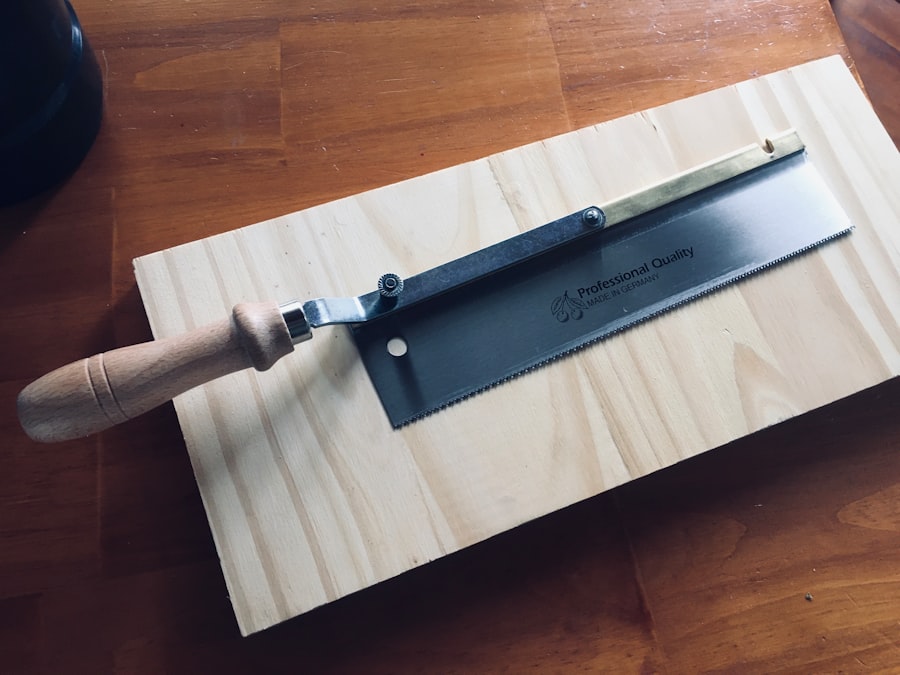
When it comes to detail work and trimming, having a saw that offers precision and control is essential. The Suizan 240mm Ryoba Saw excels in this area with its dual-edge design that allows you to switch between ripping and crosscutting effortlessly. Its lightweight construction makes it easy to maneuver, ensuring that you can tackle intricate tasks without straining your hands.
For those who prefer a more specialized tool, consider the Z-Saw 150mm Kataba Saw. This compact saw is perfect for trimming and fine detail work due to its short blade length and fine tooth configuration. It provides excellent control while allowing you to make delicate cuts with ease.
Both options are excellent choices for woodworkers who prioritize detail in their projects.
Japanese Pull Saws for Cutting Hardwoods
Cutting hardwoods requires a robust tool that can handle dense materials without losing effectiveness. The Gyokucho 650mm Ryoba Saw is an excellent choice for this task, featuring a sturdy blade designed specifically for hardwood applications. Its aggressive tooth design allows for efficient cutting while maintaining smoothness in the finish.
Another strong contender is the Suizan 300mm Kataba Saw, which offers a balance between length and cutting power. This saw’s high-carbon steel blade ensures durability while providing sharpness that lasts through multiple uses. Both of these options are well-suited for woodworkers who frequently work with hardwoods and need reliable tools to get the job done.
Japanese Pull Saws for Dovetail and Tenon Cutting
Dovetail and tenon joints are fundamental techniques in woodworking that require precision cutting tools. The Z-Saw Dozuki Saw is highly regarded for its ability to create clean dovetail joints thanks to its fine teeth and rigid back design. This saw allows you to make precise cuts at various angles, ensuring that your joints fit together seamlessly.
The Gyokucho 3720 Dozuki Saw also deserves mention in this category due to its versatility and ease of use. With its replaceable blade system, you can maintain sharpness over time while achieving consistent results in your joinery work. Both of these saws are excellent choices for woodworkers looking to master dovetail and tenon cutting techniques.
Japanese Pull Saws for Crosscutting and Rip Cutting
Crosscutting and rip cutting are essential skills in woodworking that require specific tools designed for efficiency and accuracy. The Suizan 240mm Ryoba Saw stands out as an ideal choice due to its dual-edge design that allows you to switch between crosscutting and ripping effortlessly. This versatility makes it a favorite among woodworkers who appreciate having multiple functions in one tool.
Another excellent option is the Gyokucho 650mm Ryoba Saw, which excels in both crosscutting and ripping tasks thanks to its aggressive tooth design and sturdy construction. This saw provides smooth cuts while minimizing splintering, making it perfect for larger pieces of wood where precision is key.
Maintaining and Caring for Your Japanese Pull Saw
Proper maintenance is crucial to ensure the longevity and performance of your Japanese pull saw. Regular cleaning after each use will help prevent resin buildup on the blade, which can affect cutting efficiency over time. Use a soft cloth or brush to remove any debris from the teeth and wipe down the blade with a light oil to protect it from rust.
Additionally, sharpening your pull saw blades is essential for maintaining their cutting performance. While some models come with replaceable blades, others may require periodic sharpening using specialized files or sharpening stones designed for Japanese saws. By taking care of your tools, you’ll ensure they remain effective and reliable throughout your woodworking journey.
Choosing the Right Japanese Pull Saw for Your Woodworking Needs
In conclusion, selecting the right Japanese pull saw involves understanding your specific woodworking needs and preferences. Whether you’re focused on fine detail work, precision joinery, or cutting hardwoods, there are numerous options available that cater to various tasks. By considering factors such as tooth configuration, blade material, and handle design, you can find a saw that not only meets your requirements but also enhances your overall woodworking experience.
As you explore different models and brands, remember to prioritize quality over quantity; investing in a few high-quality tools will serve you better than having an extensive collection of mediocre ones. With proper care and maintenance, your Japanese pull saw will become an invaluable asset in your woodworking toolkit, helping you achieve beautiful results in every project you undertake.
If you’re interested in learning more about Japanese woodworking tools, you may want to check out this article on Woodworkers Haven. They offer a variety of resources and information on traditional Japanese woodworking techniques and tools, including pull saws. This article could provide valuable insights and recommendations for finding the best Japanese pull saws for precision work.
FAQs
What are Japanese pull saws?
Japanese pull saws are traditional woodworking tools that are designed to cut on the pull stroke rather than the push stroke. They are known for their precision and ability to make clean, accurate cuts.
What are the advantages of using Japanese pull saws?
Japanese pull saws are known for their thin, flexible blades that allow for precise cuts. They also have a pull stroke design, which means that they are less likely to wander off course during a cut. Additionally, the pull stroke design allows for more control and accuracy.
What are some popular Japanese pull saw brands?
Some popular Japanese pull saw brands include Gyokucho, Suizan, and Tajima. These brands are known for their high-quality blades and ergonomic designs.
What are the different types of Japanese pull saws?
There are several different types of Japanese pull saws, including ryoba saws, dozuki saws, and kataba saws. Ryoba saws have two cutting edges, one for crosscutting and one for ripping. Dozuki saws have a stiffening spine for added precision, and kataba saws have a single cutting edge for more delicate work.
How do I choose the best Japanese pull saw for precision?
When choosing a Japanese pull saw for precision, consider the type of cuts you will be making, the size and type of wood you will be working with, and the overall quality and design of the saw. Look for a saw with a thin, flexible blade and a comfortable, ergonomic handle for maximum precision.